Archive | Growing Your Own Food RSS feed for this section

Emergency Seeds – How to Feed Your Family in a Crisis

EMERGENCY SEEDSSurvival seeds, emergency seeds or emergency seed banks – whatever term is used – have had a lot of attention and marketing focused on their purchase, storage and use in the recent past. The scenario usually goes something like this: buy this vacuum packed, nitrogen flushed can of emergency seeds for feeding your family in a disaster or crisis situation. The seeds are specially packaged for long life, and a single can will plant a 3/4 – 1 acre garden. These emergency seeds will be good for anywhere from 4 -5 years up to 20 – 30 years, depending on whose website you visit. One container of seeds can easily feed a family, more often a neighborhood. You can save the seeds from the harvest, ensuring a continual source of seed to grow more food for yourself. Sounds reasonable and encouraging, doesn’t it?

There are some faults with this direction of marketing and thought, though. Let’s look at a few of them to gain a somewhat different perspective on this issue. First is the quality of the emergency seeds themselves. If the seeds aren’t high quality and from an experienced, knowledgeable grower with a good germination potential and are pure and true to type, you are starting with a mixed bag and will get poor results. This rests on the seed supplier. If they are like most “Survival” supply companies they are a reseller, buying all of their inventory from wholesale companies, marking up the prices and shipping the products to you. They aren’t gardeners or growers and are not knowledgeable about agriculture or the seeds they are selling. It is worth asking some questions of them, such as where their seeds come from and how are the seeds sourced.

Another concern is how the seeds are packed. Seeds are living organisms and need certain conditions to remain alive. Vacuum packing and nitrogen flushing are very commonly used sales terms in describing why you should buy a particular brand of emergency seeds. These techniques sound great in helping to extend the shelf life of the seeds, but are really unnecessary for real-life emergency needs, as we will soon see.

The viability or lifespan of the seeds in storage is much more dependent on the temperatures and humidity levels than what gas the seeds are flushed with. Storage in high temperatures or high humidity conditions will drastically shorten the germination ability of the seeds – sometimes to just a few months – instead of the years that are advertised. Yes, the container is sealed but is not immune to outside temperatures. Besides, after the seeds are opened, how is the nitrogen flushing going to be replaced? It’s not, and it doesn’t really matter because the seeds realistically should be used in a relatively short time-frame and not stored for decades. You need the food that the seeds will grow, not just a container of seeds. Think about how humans have kept themselves alive for thousands of years, planting stored seeds from the previous couple of years, without the modern benefit of nitrogen flushing and vacuum storage, not to mention freezers or refrigerators.

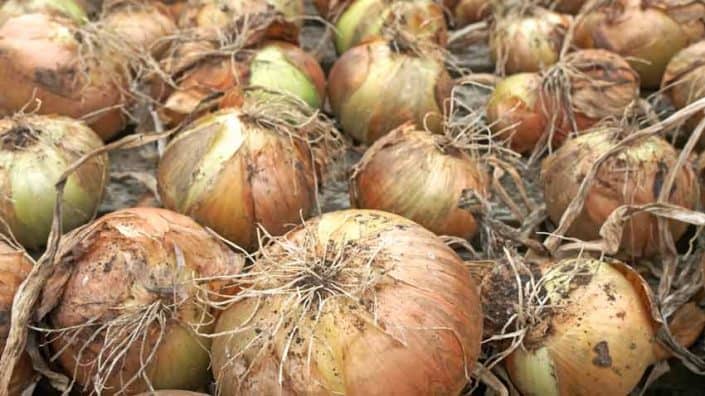
Speaking of using the seeds in a relatively short time-frame, meaning planting and producing food from them, the seed stock should be rotated on a regular schedule just like the rest of your food stocks. Under normal household conditions, most seeds will be viable for 3 – 5 years. Some exceptions are the onion family – onions and leeks – as well as the hulless pumpkins. Their viability and germination really starts dropping off after the first year. They should be used regularly to grow food for the family and then replaced as the stock for a variety is used up.

Now we come to the most important point of emergency seeds in storage – their use. Unfortunately, many folks will look at the purchase of an emergency seeds source as a check to be made on a preparedness checklist. They will get their can of seeds in the mail, check the list off, and put the seeds in a safe place and move on to the next item on the list. This is analogous to that same person buying a firearm and ammunition, checking off the list and putting them in the closet. When needed, they realize that they have bought a rifle but the ammunition is for a shotgun, they’ve never tried to load the rifle and don’t know how to aim or shoot with it! Oversimplified, yes, but the point is the same. Seeds have incredible potential but their food value when sitting in the closet is pretty slim. They have to be used – planted and grown – to produce the food and realize the potential that they represent.

Gardening is a skill, much like being able to shoot accurately, clean and reload the firearm in a safe and efficient way. Other similar skill-sets are first aid, fire-starting or other bushcraft skills. These are perishable skills that must be practiced to be effective. Gardening is much more than simply scattering some seeds, watering them a bit, waiting a few days and then harvesting some food, as anyone who has practiced the art of gardening for more than a year will attest to! It takes time to make the mistakes, realize them as mistakes and learn from them. The time to start learning to grow some of your own food is today, not when the power goes out or the fuel shortages have stopped the trucks from delivering food to the local supermarket. It takes some time to learn the techniques of good gardening, and waiting until an emergency is in progress to start could be a very costly mistake in many ways.

Another mistaken assumption is being able to save seeds from the first year’s garden to continue a seed supply into the next year. This really ties into the skill of gardening in the above paragraph. Almost no-one that is inexperienced in gardening will be able to gain the skills in that first year needed to understand and maintain plant isolation, pollination and minimum population needs to ensure a viable and genetically robust supply of all of the seed varieties that they plant in the garden in that year.

First year gardeners will have their hands full learning the intimacies of their garden’s climate, soil nutrition and moisture needs along with how to keep the small and large veggie predators at bay, keep the young seedlings from freezing in a late frost or the grasshoppers or bugs from eating all of the leaves during the height of the summer. Seed production is an entirely different chapter to learn! That is why seed companies are around. Once a gardener has some experience in growing their food, then simple seed saving can be started with a much better understanding of what is needed without overwhelming them. They will then be much more successful than someone who is just starting out and trying to learn and be successful at everything in the first season.

A final thought on relying on emergency seeds as a food supply: what kind of food supply are your emergency seeds going to provide in the middle of the off season – meaning the winter in most of the country, or the middle of summer in the lower desert regions? Emergencies or disasters don’t always occur when the weather is nice and the garden can be worked. For this reason, a supply of emergency seeds needs to have a broader focus than most on the market. What can be planted that will grow quickly enough to provide nutritious fresh edibles for a family, no matter what time of year it is or what the growing conditions are?

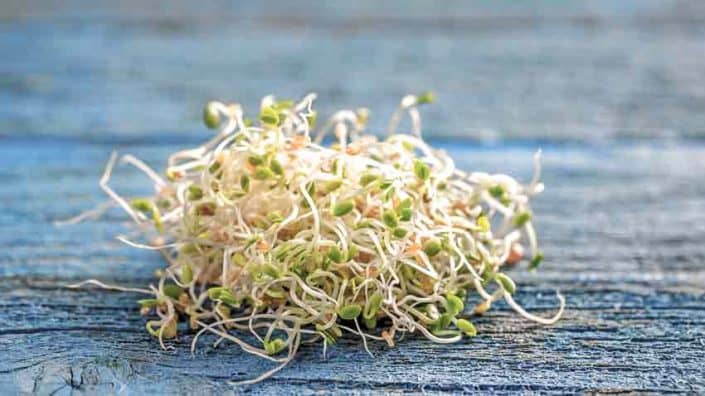
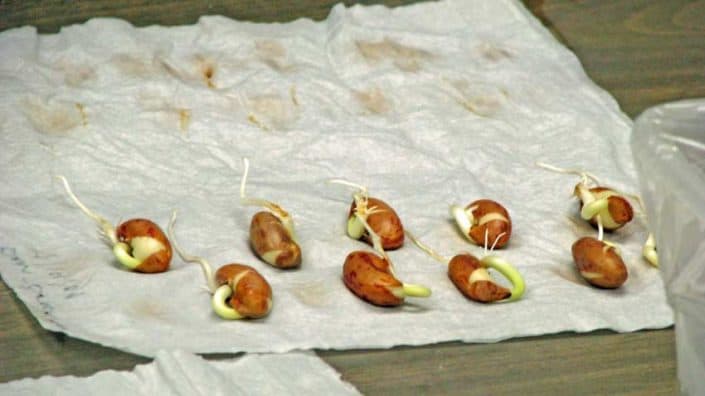
Sprouts are an excellent example of what can be grown in any climate, at any time of year, with no soil, sunlight or space requirements. Four square inches on a countertop is all that they need. Many backpackers will continually sprout seeds for a fresh food supply when on long, multi-month treks for just this reason. A simple rinse once a day is all that they need to ensure a tasty, highly nutritious fresh food with no work.

For these and several other reasons, relying on a pre-packaged container of emergency seeds to supply the majority of your food in an emergency is probably not the best plan, especially if you are not an experienced gardener already. A seed supply can supplement an emergency food pantry with fresh greens and tasty vegetables, making the dehydrated or freeze-dried menus much more enjoyable. Let’s look at one approach to growing some of your own food based on an emergency timeline. We need to examine several assumptions that must be made before going on, as there is no possible way to anticipate every disaster or emergency scenario, or forecast in this article the range of home preparations that can and should be made. Most of these are easily prepared for well in advance.

The assumptions are these –

  • A reasonably well stocked refrigerator and freezer, with some dry goods on hand such as rice, lentils, beans, peas and dried fruit along with some canned foods which should be able to feed a family for a minimum of a week or better. Obviously, the well-stocked pantry will give more options and be able to provide food for a longer time. We are looking at how a reasonably stocked home can respond favorably to an emergency, not as a long-term “survival” event.
  • A modicum of gardening knowledge and experience, such as a second or third year gardener would have. A completely inexperienced person can make a go of this and experience success, but would have challenges recognizing issues early on and won’t be as capable of trouble-shooting and correcting them quickly enough to be effective.
  • A space to grow a garden, even on a small scale. Apartment folks can use a balcony with 5 gallon buckets or containers such as Earthboxes to grow a lot of food in a small space. There won’t be time to figure the growing space out or prepare the soil during an emergency, thus the reason to start gaining gardening experience now, even on a small scale. You won’t be able to run down to Lowe’s or Home Depot to get the 5 gallon buckets and garden soil when disaster hits!
  • A source of water, as without access to fresh water, all of the preparations will do you no good.

Starting on the day the power fails or the emergency occurs, let’s look at a timeline of what is possible, things to have in preparation and how everything can tie together to feed yourself in the short and medium term.

For the first week you should be able to eat out of your refrigerator and freezer. This is where the importance of a fairly well stocked fridge and freezer comes into play. Those that only have stale milk and coffee in the fridge won’t have the other resources to accomplish what we are talking about. The refrigerator will keep things cool for 2 – 3 days, depending on your location and temperatures outside. The freezer will become your fridge in 3 – 4 days as things thaw out but stay cool.

On the first day of the emergency, several things need to be done to start the sequence of growing that will help feed and sustain you for the next week to month or so.

  • Start sprouts in a jar. These will take 4 – 6 days to sprout and create tremendous amounts of nutrition that will keep you going in the short term. The amount of sprouts started will depend on how much you normally eat and the size of your family. You would be wise to start more than you think you will need, as additional work to get things set up in and around your home will require more energy. Extra food can be shared with friends and neighbors, strengthening those ties. It would be wise to do “succession sprouting”; meaning start a new jar of sprouts every day or every other day so that there is a continual harvest of fresh nutritious food available. The food from the refrigerator and freezer, combined with the sprouts should easily feed you and your family for the first week. This can be supplemented with some cooking of the dried foods or canned foods. Go easy on the canned and dried food stocks in the initial few days, as they are easiest to access but are finite and easy to exhaust in short order, making the situation worse.
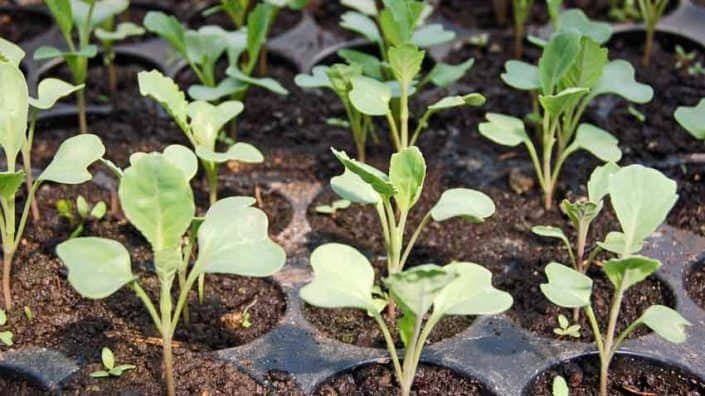
  • Plant fast-growing, short season crops that will give you food in around 15 – 30 days. These include radishes, carrots, beets, mustards, cress and such. Here’s a better breakdown -
  • Sprouts – 4 – 6 days for mature sprouts from organic alfalfa seed, organic red clover seed, organic mung beans and organic radish seed
  • Asian or Mustard greens – 21 days for baby, 45 days mature
  • Beets – 35 days for beet tops, 50 days mature
  • Broccoli Raab/Rapini or De Cicco – 40 – 45 days for first harvest, can harvest again and again
  • Carrots – 50 – 70 days depending on weather
  • Kale – 30 days for baby kale, 60 days mature
  • Lettuces – if seeds are started inside, lettuce can be ready in just over 30 days from transplanting.
  • Radishes – Some radishes are 25 – 35 days
  • Spinach – 30 days to baby, 45 days mature. Works best in cooler weather.
  • Swiss chard – 30 days baby, 55 days mature

As you can see from the list above, there will be a limited diet for the first three weeks to a month if you are not currently growing anything when the emergency occurs. This is why a well-stocked refrigerator, freezer and pantry are important, along with an on-going garden. Being able to use the fresh garden produce to supplement the dried, canned, freeze-dried and otherwise prepared foods will make meals much more interesting and tasty. Of course, if a garden is already in production then everything changes, as the food supply isn’t nearly as threatened.

A supply of emergency seeds can be a critical positive factor in any disaster preparedness plan. It is perhaps best to look at any seed supply as part of a “Life Assurance Plan” where the basic needs of your family are supplied without needing to run out and buy something (or everything) when an emergency happens. A Seed Assurance Plan, as part of life assurance, means investing in seed, growing knowledge and experience instead of waiting for the disaster to strike and hoping that the seed will grow into enough food to feed you. We have created a Seed Assurance Kit based on what we’ve explained in this article. You can purchase the entire collection or the individual seeds to complete your existing seed collection from the links above.

Hope is not a plan when it comes to providing for your family, especially in a disaster or emergency. You don’t hope to find the job, business or career that will help feed, clothe and house your family in daily life. You make a plan, get education and experience, take risks and actions that move you in the direction that you want and need to go. The exact same thing applies to your seed supply!

One thing that we do hope is that this article has given you food for thought in how a good supply of heirloom seeds, along with common sense forethought, can help get you through any unforeseen emergency or disaster. Obviously, this is an introduction to some concepts that aren’t being talked about nearly enough. This is a complex topic with many branches, offshoots and directions to go that really can’t be introduced here. The next steps are up to you, but aren’t difficult. Get started today and start small. Read more, get more education, become more informed and start your garden, even if it is just a couple of 5 gallon buckets on the patio or back deck. Find what interests you and pursue that angle or direction.

Comments { 0 }

Russian Dacha Gardening – Homescale Agriculture Feeding Everyone

Dacha GardeningThere are a growing number of conversations and discussions taking place around the country, in person and online, about a highly important emerging question – how are we going to feed ourselves with a growing population, diminishing resources and a challenging climate?

We see news reports of crop devastation from droughts, floods and other weather related impacts around the world. There was a world-wide food shortage in 2008, causing a sharp spike in wheat prices that started a series of governmental overthrows in the Middle East. Clearly, food is important in a way that many have not thought about here in the United States. We didn’t experience much in the way of price spikes in 2008, but if we look, there is clear evidence that we are experiencing our own price increases; they are just in a different manner.

The prices for food, when compared to a couple of years ago, have risen significantly, even here in America. Our food system is complex, with major food companies and distributors absorbing the brunt of price increases and passing them along in increments, instead of all at once, so that we are not as aware of the increases in food prices. With a severe drought across most of the country in 2012, and winter moisture levels significantly below normal for this year (2013), more crop failures are predicted along with higher prices.

It is natural that this conversation is beginning to happen. In venues ranging from upscale coffee shops to rural diners to governmental meetings, more and more people are asking, “How are we going to feed ourselves?” The conversation more often than not becomes some form of commercial vs. small scale agriculture, with both sides speaking passionately about the benefits of their systems and judiciously pointing out the shortcomings and detriments of the other systems. It becomes an either/or argument and is a great example of false dichotomy.

We are not against large-scale farms, as there are a number of great examples of how size does not automatically mean a dependence on petro-chemical inputs, using fertilizers, herbicides, pesticides in an attempt to change a natural process into an industrialized, mechanical one to be controlled.

There is a need for a food production system of many sizes and for many reasons. We need diversity in size and scale, as it gives resiliency to our food system as a whole.

Dacha GardeningThere is also an increasingly urgent need to re-examine our food distribution system, as there is an estimated 30 – 40% of food waste that happens before the food even reaches our homes. Utilizing this wasted food would go a long way toward easing hunger here in the United States.

During the course of these conversations a logical disconnect often occurs. The commercial scale folks talk in solid, proven, real world terms and numbers. They should, as this is what they know. They talk about how only industrial farming can feed the world, as it will require their technology, equipment and inputs to grow twice as much food. These are terms that they are familiar with. When the alternative of small scale, local and sustainable agriculture is put forth, they begin to talk in relative and theoretical terms, partly out of ignorance as they are not experienced or familiar with this different approach to agriculture. Sometimes it will be as a dismissal of the effectiveness of sustainable agriculture.

Here is where the disconnect happens: when advocates of local and sustainable agriculture talk, they also tend to talk in theoretical and abstract terms, not in the proven, real world results based terms that the industrial ag folks use. This skews the entire conversation!

Some of this is understandable, as the definition of “local and sustainable agriculture” is completely opposite on the spectrum of commercial and industrial. It is hard to speak about total food production or capacity from the local and sustainable model as it is from the commercial one, for the simple reason that there is more documenting and reporting of figures in large scale agriculture, with almost none in the local one.

This doesn’t mean that alternative agriculture has nothing to contribute. Far from it. Sustainable agriculture, on any scale, is a highly important contributor to the conversation, and our future. There is a school of thought that states, “We will ultimately wind up in a sustainable economic and agricultural model, either by choice or by force.” I’m going to ignore the economic portion of the statement for this article, as it is beyond the scope of our focus.

The thought goes on to show how we don’t have a choice on becoming sustainable in agriculture, as we simply cannot continue our current path of mining our soils of nutrients and using petroleum as a replacement. The petroleum is used for transportation, to power the mining equipment extracting the minerals used to replace those lost in the soil, and for herbicides, pesticides and petro-chemical based fertilizers. Both the nutrients and petroleum are finite, we all know this. What we don’t know is precisely when these resources will run out. They are becoming more expensive each year, looking past short-term fluctuations.

Dacha GardeningWe can make the choices to move our food production into a model where we aren’t strip-mining the earth of its nutrients to grow our food, or we will wind up with no more petroleum to replace these critical nutrients, and our food production on any scale comes to a halt, with devastating consequences. We at Terroir Seeds are working on the choice solution – rather than force – helping to create a better, healthier, more productive, diversified, decentralized and independent food production system that everyone has access to and can participate in, no matter where they live.

During the conversation on feeding ourselves, several examples of sustainable agriculture that are currently being practiced are usually brought up, such as Cuba. When Cuba suffered the oil embargoes and trade restrictions, many citizens died from the catastrophic decrease in daily calories as a result of very limited food production on the island in relation to the size of the population. Everyone lost around 30 pounds as they struggled to find ways to grow all of their own food with most people having little to no gardening experience and a loss of machines to work the land. Eventually they did succeed, and today Cuba is an example of small, local and sustainable agriculture feeding the population.

This example is pooh-poohed by the industrial ag proponents, “Of course Cuba can grow their own food, they are a tropical island, they can grow anything. It’s not like that here or in the rest of the world.” They ignore the difficult history and work that it took for Cubans to be able to grow their own food.

What if there was another example; one of an industrialized, well-populated country that is larger than the USA, grows about half of its total food production in home gardens in a difficult and short-season climate, with no machines or animals to help? Would that example suffice to show that local, small-scale, sustainable agriculture can be a proven, viable alternative to the industrial agriculture model?

Dacha GardeningThat example is Russia, and the model is called dacha gardening. It has provided food for the people of Russia for over 1,000 years, starting as mainly subsistence or survival gardening and evolving into an independent, self-provisioning model between the Bolshevik Revolution and World War II and continues into today.

The term dacha, dating back to at least the eleventh century, has had many meanings; from “a landed estate” to the rural residences of Russian cultural and political elite. Since the 1940s, the term “dacha” has been used more widely in Russia to define a garden plot of an urban citizen. This is when the urban populations began to rapidly expand their garden plots to provide food for themselves, their families and neighbors.

Dacha gardening accounts for about 3% of the arable land used in agriculture, but grows an astounding 50% by value of the food eaten by Russians. According to official government statistics in 2000, over 35 million families (approximately 105 million people or 71% of the population) were engaged in dacha gardening. These gardens provide 92% of Russia’s potatoes, 77% of its vegetables, 87% of the berries and fruit, 59% of its meat and 49% of the milk produced nationally. There are several studies that indicate that these figures may be underestimated, as they don’t take into account the self-provisioning efforts of wild harvesting or foraging of wild-growing plants, berries, nuts and mushrooms, as well as fishing and hunting that contributes to the local food economy.

Clearly, there is something to be acknowledged and studied here! Of note to us Americans, dacha gardening or self-provisioning gardening was the foundational reason that the Russian people did not experience a famine in the early 1990s after the USSR collapsed, and the state sponsored, heavily subsidized, industrial commercial agriculture collapsed along with it. This drew the attention of researchers seeking to find an explanation. Several attempts to explain it away as only a survival strategy have failed, especially when the extensive historical context is examined. Dacha gardening is much more than merely survival, and has always been.

This was not reported outside of Russia, as it wasn’t considered newsworthy. What is truly newsworthy today is that we as a nation aren’t in as favorable of a position if there were a similar catastrophic occurrence in our food distribution, power grid or dollar value. We are all too dependent on outside sources for our food, with most Americans tied to the grocery store and its 3 day supply of food being constantly trucked in.

Dacha GardeningRussian household agriculture – dacha gardening – is likely the most extensive system of successful food production of any industrialized nation. This shows that highly decentralized, small-scale food production is not only possible, but practical on a national scale and in a geographically large and diverse country with a challenging climate for growing. Most of the USA has far more than the 110 days average growing season that Russia has.

Today’s dacha gardening closely resembles the peasant gardening production of the late 19th and early 20th centuries. This shows a continuation of methods and techniques that have proven effective in a small scale garden that works as well today as 200 years ago. The Russians do not use machines – tillers or tractors – or animals on their garden plots, cultivating them in much the same way as the peasants did in the 18th Century.

Dacha gardening is not and never has been simply a survival strategy – a response to poverty, famine, adverse weather or social unrest. Recent studies have shown that Russian food gardening is a highly diverse, sustainable and culturally rich method of food production. This was initially recognized almost a century ago and has been confirmed more recently.

If examined through a strictly economic lens, dacha gardening makes no sense at all. There is much more labor as a dollar value invested than is harvested, but that isn’t the point of this type of system at all. The function of dacha gardens goes well beyond their economic significance, because they serve as an important means of active leisure as well as a way to reconnect with the land. Traditional economic calculations fail to realize the true value and benefits of a dacha garden. Clearly, a wider viewpoint is needed to realize all of the benefits! Time spent in the garden is seen as relaxation, education, entertainment and exercise – all in one. Food production is a very valuable bonus.

Despite their significant contribution to the national food economy, the majority of dachas mostly function outside of the cash economy, as most dacha gardeners prefer to first share their surplus with relatives and friends after saving enough to feed them through the winter, and only then look at selling what remains. A few will sell the remainder at local markets, and move into a small market production model for extra cash.

The Russian mindset relating to the sharing of surplus food is important to examine, as it is one of the keys that ensure the success of the dacha gardening model. In dacha gardening, people will share their excess food out of a sense of abundance or plenty. It is a very positive and powerful motivator which creates an upward, positive spiral of sharing among the community.

Dacha GardeningFor example, a neighbor helps you to build a fence on your property. Instead of paying them money for their help, you give them 50 pounds of apples from your tree. These apples have little monetary value for you, as you have all of the apples you can use for the year stored up, canned, made into apple butter and jams. You are sharing your abundance. The neighbor is overwhelmed, as this is a considerable gift for a few hours of work, so he feels compelled to share some of his gardens abundance with you, for the same reason. He shares from his abundance. This process continues around the neighborhood until there is a solid network of people actively sharing food with one another. This system creates a resilient food network that is not only local and sustainable, but has many other positive benefits as well.

There are no feelings of “owing” from one person to another. When someone gives food to another, it is not “charity” or putting them under an obligation to repay. It is an exchange of excess freely given with no thought of repayment or obligation.

Economic profit is only one of the potential benefits of this type of food production. Other economic components are increased food security with a robust, decentralized and local food supply and distribution. Agricultural sustainability, conservation of bio-diversity and the preservation of heirloom varieties are some of the environmental contributions of dacha gardening. Socially, dacha gardens help create community and a connection with the land and nature.

In addressing the question of “How are we going to feed ourselves?”, we have a lot to consider in looking at the effective, proven and ongoing examples that Russian dacha gardening has to offer us. A closer study of the methods and especially the mindsets will help all of us become more resilient and self-sustaining in our food systems right here at home.

Russian Dacha Gardening Research – Dr. Leonid Sharashkin

Comments { 12 }

Rough Service Lightbulbs Can Kill Your Chickens

Rough Service LIghtbulbs Bad For Chickens

Rough Service LIghtbulbs Bad For Chickens

Backyard chicken owners looking for an alternative to heat lamp bulbs to keep coops and water warm in the winter should beware of “rough service” bulbs that have a coating that makes them shatter resistant. That coating is Teflon or PTFE, and is deadly to your chicken flock. There have been a number of people experiencing this problem, but there remains a lot of folks who have not heard of this yet.

The Teflon gives off toxic gasses when heated. Birds (such as chickens or other poultry) are very sensitive to airborne toxins and can die from the exposure to such fumes. This can happen quickly. There have been a number of reports of small flock owners finding their entire flock dead in the morning after installing this type of light. A large scale poultry research facility has experienced the death of all 2400 birds over the course of a few days following the changing out of regular heat bulbs for the rough service lightbulbs. Sylvania and GE both make these rough service lightbulbs and are readily available, often close to the heat lamps in stores. GE has no warning labels on their bulbs, but Sylvania does have a sticker warning that the bulb can be harmful to poultry.

The Teflon starts to off gas as low as 325F and possibly lower. Many light bulbs will reach better than 500F, creating a lot of initial off gassing when first turned on. This cloud of toxic gas is what kills the chickens and other poultry in their coops on a cold night.

On a side note, this is the same Teflon used to coat the common household pans, with the same off gassing into your kitchen where you and your family are breathing the air!

Comments { 2 }

Urban Farming Examined Part II

“We are in an era when gardens are front and center for hopes and dreams of a better world or just a better neighborhood…”

Another Urban Farm

Another Urban Farm

What if urban farming isn’t just about feeding the hungry? There are many other crops – tangible and intangible – that are cultivated, raised, protected, harvested and shared from the soil of an urban garden or farm. The immediately obvious ones are the foods produced, but there are others such as education in many different directions, from how food is grown to ideals of peace and justice grown from your own backyard soil. Connections are planted, grown and strengthened as well. People get to know each other and can learn to accept other viewpoints and ideologies without the need to be right or win a discussion. Skills and growing techniques are passed on and strengthened.

One of the biggest crops that urban farming and indeed all human scaled agriculture is planting today is hope and reconnection. Hope that there is a way to provide food for ourselves and those that need a little extra without all of the destruction and isolation that is the norm for today’s industrial corporate agricultural model. Hope that we can heal the land that has fed us for multiple generations but has been so severely disrupted and damaged by chemical agriculture in the name of more production. The reconnection comes when ordinary everyday folks see how food is grown and can be grown in a simple, approachable and honorable manner. One that restores and improves the soil and landscape with each successive crop instead of weakening it.

By many indications, urban farming and human scale agriculture is on the rise and has been proven a success in many major cities across the United States. Burlington, Philadelphia, Detroit, Milwaukee, Chicago, Oakland, Los Angeles, San Francisco, and dozens of other American cities are showing that sustainable urban agriculture is not only possible, but effective in growing many more crops than just food. There is a saying, “If you want to change the world, plant a garden.” How does that work, exactly? Some of the produce is understanding, community, social transformation, and catalytic action along with the tomatoes and kale. Food connects people to economics, justice, pleasure, work, health and the future. The lessons learned and shared that are grown and harvested in the garden have far reaching effects, feeding minds as well as bodies.

Revolutionary Plots | Urban agriculture is producing a lot more than food

Comments { 0 }

Urban Farming Examined Part I

Can Urban Farming Really Work?

Urban Garden

Urban Garden

Today we are going to look at a couple of opposing viewpoints on urban farming- that being the practice of growing food in an urban environment, more of a food producer than a hobby gardener with a windowsill box of daisies. Urban farming has become hip, cool and somewhat radical in mainstream America over the past few years, with Patti Moreno showcasing the Garden Girl TV that helped lead the way for growing food in the city to become acceptable. Long before that, Will Allen started Growing Power in Milwaukee, WI growing food in an urban landscape and teaching others how to do the same.

Our first article comes via AG Professional, an industrial farming magazine. The author – Maurice Hladik – is from a farming background with a degree in ag economics and was an ag diplomat to several countries. He says that he is a gardener and really enjoys it, but that urban farming in no way can make any measurable positive impact on our food supply, or feed any significant number of people in cities. He uses national land use figures and statistics to prove that the urban landscape is entirely unsuited to growing food. Um, really? What gave you that idea? He cites the fact that his house is built on a rocky outcropping and had to have many truckloads of soil brought in to create the lawn and gardening spaces.

The desire and skillsets of urban dwellers is brought into question next, with the comment of “hype and encouragement” for city folks to get out and grow a garden, with little visible results “given the lack of enthusiastic and capable gardeners” according to him. He challenges the sustainability of urban farming with the lack of suitable soil for growing that has to be trucked in. That soil was once farmland that has been removed from productivity, he states. Apparently he has never heard of the French intensive growing method that fed 90% of the city of Paris with 6 – 7% of the land inside the city limits. For over 350 years.

Water availability is addressed next, saying that rooftop gardens are water guzzlers in a water distribution system that has little excess capacity for irrigation. No mention of drip systems, gray water useage, rainwater collections, mulching or any of the other myriad approaches to reducing the amount of water needed. Urban farming on rooftops is a “thin layer of soil on a cement surface” that needs much more water than a conventional garden. Again, really? He cites a city of Toronto bylaw that states any buildings with flat roofs over 2,000 square feet are required to have some sort of garden. He goes on to say that because of the water issue, food production is out of the question and drought tolerant sedums are used almost exclusively there.

The two most disturbing and concerning points that he makes are at the end of the article. The first is that gardeners should enjoy their hobby and not worry their pretty little heads about feeding the world. Leave that burden to those who can. How @$#!* condescending! The second is that “someone” has a responsibility to feed the world. That “someone”, obviously, is industrial agrobusiness and not anyone else. Why does there have to be one entity that acts as the world’s supermarket? Is there really that need, or is this mantra another construct that has been promoted and pushed for so long that many now believe it? What about improving the capacity of each community and nation to feed itself and get away from the extractive export model? Look at Cuba and Russia as examples of how small, human scale agriculture can, in a real world situation, feed itself.

The article is worth reading, especially the reader comments!

Urban farming is an urban myth

Here is a great rebuttal written by Devon G. Peña, a professor of agroecology, ethnoecology, and the anthropology of food in Seattle.

history shows urban farms can feed cities

Comments { 0 }

Home Garden Bug Solution

No Bad Bugs

No Bad Bugs

Here it is the beginning of June and bugs are making their appearances in our garden. We wanted to share a recipe we’ve found that has been recommended to us by other gardeners and has proven to be effective in dealing with unwanted insects and other bugs in the garden.

This is a different approach than our Squash bug solution. You can read that article here – Squash Bugs and Ways to Deal with Them. That approach works well for more than just Squash bugs, so give this recipe and that one a try to see what works for your garden! You might also like some of our solutions detailed in Heirloom Tomato Growing Tips that shows several methods of deflecting insects, nematodes and blight, mildew and other assorted fungi that love our tomatoes.

It needs to be mentioned that spending time in your garden and getting to know who lives there is extremely valuable, as then you’ll know when some shady character moves in. You might still be taken by surprise when you discover a colony of insects chomping on your squash, tomatillo or tomato plants; but you’ll know with certainty that they weren’t there last night or the morning before. This knowledge is valuable, as this helps in choosing which methods to use and how aggressive to apply them.

Here is another recipe for a broad-based insect repellent for your garden. This is a pretty concentrated recipe, so test spray a small area before soaking the whole garden. You can always dilute it with more water if you find it is too aggressive for your plants. The concentrate dilutes with anywhere from a quart to a gallon of water. If your bugs are really difficult and numerous, dilute with a quart of water. Use a gallon if the unwanted critters are just starting to show up!

Home Garden Bug Solution Printer Friendly Page

  • 1 onion
  • 6 cloves garlic
  • 1 cup apple cider vinegar
  • 1 tbs Tabasco sauce or other hot pepper sauce
  • 1 tsp liquid soap
  1. Cut up onion and garlic, put into blender with water and puree.
  2. Strain solids out, combine liquid with remainder of ingredients.
  3. Spray on top and underside of leaves and anywhere else damaging bugs are found.

Recipe Tip! To make even more aggressive, add 1 tsp of Cayenne or crushed red chili flakes to blender mixture.

This will chase off all bugs that it comes in contact with, so be sure to use sparingly and only on areas that are showing undesirable insects. Once you see a reduction in the insect population or an increase in plant health, reduce the amount and number of times the bug solution is applied.

Comments { 6 }

Succession Planting for the Home Gardener

More Food than You Thought Possible From Your Current Garden

Succession Planting

Succession Planting

Succession planting is a very old concept that is re-gaining ground with home gardeners everywhere as they discover that there is much more production possible from their garden- no matter the size- than the typical spring planting ending with the fall harvest. Succession planting is the ancient practice of following one crop with another with no break in growing or production. It is one of the home gardener’s most important, yet overlooked, tools to create the maximum possible production in a given amount of time. Even tiny gardens can produce stunning amounts and qualities of fresh home grown vegetables using succession planting and related techniques.

The origins of succession planting are quite ancient indeed, with some horticultural historians finding evidence of Greek and Roman practices being documented. We will concentrate on the relatively more recent past with the systems perfected by the French that for over 300 years on 6-8% of the land that grew 80% of the foods that fed Paris. The French Intensive method, or French Garden System developed the forerunners of today’s Permaculture, Bio-intensive gardening, raised bed gardening, square foot gardening, intercropping and succession planting schools of thought in use today. We will be focusing mainly on succession planting for this article.

The foundational reason to start succession planting is simply to get more produce out of the garden. A great secondary reason is so that all of the carrots, lettuce or radishes are not ripe at one time, creating an overload with no more produce to come. Many beginning gardeners have experienced this dilemma!

The best way to get started with succession planting is much the same as with getting started with any endeavor, especially gardening. Start small, but start now. An ancient Chinese proverb says, “The best time to plant a tree was twenty years ago. The second best time is today.” This holds true for almost anything worthy of serious study and endeavor that has a large positive impact on one’s life. The art of succession planting can be much more extensive and complex than the initial planning of the garden itself. Or it can be as simple as continually planting a bed of carrots, a few feet every 3 to 4 weeks, over the growing season.

Catalog descriptions and seed packet instructions give you a head start with their instructions on planting, days to reach maturity, space required and cold or heat tolerance. Use this information to outline a succession plan that avoids confusion during the height of gardening season. Start by making a list of what you really like to eat and want to try growing in succession. The simplest method is to dedicate a bed or space to a specific variety, such as carrots. Then you plant a portion of that bed, wait 2 to 4 weeks and plant another portion, repeating throughout the season. Let’s take a 12 foot bed as an example. The first planting would be 3 feet, then 3 to 4 weeks later the second 3 feet would be planted, and so on until the bed is fully planted. This would take 4 plantings spanning 8 to 16 weeks. By the time the last section is planted the first section is being eaten, with the second section coming ripe. After the first section is eaten, it is replanted on the same schedule. This give a continual harvest of carrots until winter stops the growth. Fresh ripe, crunchy carrots all season long sound pretty good, don’t they?

Start in early spring with cool season crops such as lettuce, spinach, peas, broccoli, greens, carrots, radishes and beets. Plant every 2-4 weeks, depending on how much production you need, until the weather is too warm for the cool season crops. Then you can switch to planting warmer season crops with the same technique during late spring, summer and early fall. Good choices for warm season plantings are beets, cabbage, carrots, cucumbers, heat tolerant lettuces, warm season spinach substitutes, green onions, Swiss chard, kale and turnips. Once the temperatures cool off, go back to the cool season crops for fall and early winter production. It is interesting to note that several of the cool season varieties are also warm season as well. This should start to give you a glimpse of how to dramatically increase your garden’s production without any more space.

Another technique that ties in well with succession planting is interplanting. Interplanting is the practice of using two or more crops in the same garden bed that mature at different rates to eliminate possible space, water, nutrient and light competition. Examples of this are planting kale and lettuce together. The lettuce will be up and harvested just as the slower maturing kale is starting to spread out and produce. Planting lettuce in between tomato seedlings works well, as the lettuce will be gone by the time the tomatoes get big and need more space. Another example is interplanting varieties with complimentary growth habits such as lettuce and scallions or green onions. The lettuce has a deep taproot and spreads, while the scallions have a shallow root and narrow profile. The classic French gardening method is to broadcast radish and carrot seeds, then transplant lettuces a short time later. The radishes are harvested first and lettuce next, giving space to the carrots. After the lettuces are harvested, cauliflower starts are transplanted where the lettuces were, filling the holes and continuing production.

Some varieties such as spinach and carrots must always be direct sown into the garden, while other such as tomatoes and peppers do best when grown as seedlings then transplanted. Many of the faster growing items that make ideal candidates for succession planting grow equally well as seedlings or from seeds. A simple way to stagger or extend the harvest is to direct sow seeds and transplants at the same time for a variety. The transplants will produce in a shorter time, and then the direct sown seeds will come into production as the transplants are ending. This technique does require more work and planning, but once the schedule is determined it is fairly easy to start seeds in cups to have seedlings ready for transplanting.

Remove old crops as soon as they are finished producing, such as lettuce and spinach at the first signs of bolting. Letting them hang out in the bed costs time and space that can be used to grow more food. Being proactive will create lots of room and time to grow a second and even a third crop in many parts of the country. Once you get started and develop your own plan and style, you’ll be amazed at how much you can grow and will be constantly on the lookout for where you can tuck a few more plants!

Hopefully you now have a deeper appreciation of the wonders of succession planting and the basics of how it works. There are many good books entirely devoted to just this subject, as well as the broader picture of intensive gardening. The best way to start is to take a couple of the ideas presented here and try them on for size. See how they work for you, in your garden, with what you like to grow. Then take a couple more of the concepts and weave them into what works for you. Adapt these ideas and techniques to create your own success. The final step is to share what you’ve developed with others in your area or garden club, as the highest compliment you can pay to an idea is to pass it along.

Comments { 8 }

How to Pick Perfectly Ripe Heirloom Vegetables

Picking Ripe Heirloom Tomato

Picking Ripe Heirloom Tomato

Finding and picking perfectly ripe heirloom vegetables or fruit seems second nature to some, but those new to gardening can be confused and frustrated by the seemingly endless choices. One the one hand, you don’t want to pick too early and miss out on the scrumptious flavors, but you also don’t want to pick too late and not only miss the flavors, but lose the time and work of growing the vegetables in the first place. What’s a hard-working home gardener to do?

Do not use size (or color) alone to choose when to pick, as most of us are used to the size and color of the supermarket produce, which is not an honest or accurate measure to use for your veggies! Most home grown produce will be a bit smaller, more colorful and a bit less uniform in appearance than the supermarket equivalent. Heirloom vegetables grown at home will mature over a span of a few days to a couple of weeks, so you have time to let things get a bit riper if needed. No need to rush.

Use your sense of sight, touch, smell and taste to determine when to pick. Gently feel the tomato to see if it is soft and slightly yielding, or still just a bit firm. If it feels like it is ready to pick, gently pull the tomato just a bit. If it is truly ripe, it will almost fall off into your hand, if not it may need a day or two more. Give the melon vine the slightest pull to see if it slips from the melon. Smell the skin to see if it has that deliciously ripe tomato perfume, that heady melon scent or if it needs just a day or two more. Watch the colors change on the peppers, feel the skin and flesh change from firm and unyielding to slightly pliable to see when the flavor is best. Gently squeeze the okra, fondle the eggplant, watch the translucence of the pea pods fill with young luscious peas. Gardening is a full contact sport, and not just in the physical sense. It requires, engages and tunes all of your senses to learn when everything is at its absolute peak ripeness and therefore peak flavor and nutrition.

When in doubt, always take a taste test to see if your other senses are right, or they need a little education and fine tuning. Don’t be afraid to taste! Most of us have been educated on what to expect with vegetables from the supermarket, which is very misleading. Supermarket produce is specially selected to be picture perfect; everything else is discarded or used for other products. Every time you do a taste test, you become more in tune with the flavors and timing of your particular garden, and your particular vegetables that are growing there. This is called terroir, and your garden has its own special brand and flavor of terroir! With a little time, you will know exactly when everything will be at the peak of its flavor, and can plan some scrumptious meals around them. Once you have experienced the magic of a ripening garden, you will never forget the sights and smells.

It’s usually best to pick in the cool of the morning, as the evening’s growth is completed and flavor is at the day’s best. Cool evenings are a good time to pick as well. Make sure to plan ahead if you need chilled vegetables such as salad makings and pick ahead of time. Harvesting the day before will give plenty of time to get things chilled without losing any flavors that you’ve worked so hard to grow.

Comments { 0 }

Planning and Planting Your Spring Garden

Spring Garden in Moscow

Now that the fun and excitement of Christmas is over, New Year’s has come and gone and life is getting back to whatever consists of normal for you and your family, it’s time to dig into our garden seed catalog and start planning the eternally anticipated Spring garden.

After spending a little time reading- and realizing that you want to plant one of everything- the realization sinks in that this could be some work, and that’s before the real work of actually digging in the garden even begins!

What to plant, how to plant, when to plant, what will grow for me, should I start my heirloom tomatoes from seed or just buy starts, what do I need to do for my soil, and what exactly is succession planting are all questions that crop up and need answers.

All of a sudden, a garden seems pretty intimidating, definitely not for amateurs and something that might be best left to the experts. Well guess what? Everyone was an amateur at some point, starting out with not much knowledge and needing some help. It is easier to start your home garden today than in any other time in history, as there are mountains of information and education out there and it is all pretty easy to find. The Internet is full of good gardening advice in many areas.

What we will look at today are some points to consider about your home garden, we’ll do some initial planning and pass along some tools that will be very helpful in building your toolbox of gardening knowledge and problem solving. Let’s get started!

Now is the perfect time to start planning for what you want to do in your garden next year. Just get the planning started, then work on it as ideas bubble up from your subconscious. This way, you won’t be caught short when time becomes an issue in a couple of months.

To help you get the process rolling, we have the following points to consider, along with some tools to help get you there sooner.

1. Review last year’s garden. How did it do? Did you start enough seeds/seedlings to compensate for losses due to transplanting, weather, critters etc.? Were plants healthy and productive, or were there issues that need some researching, such as pests, insects, disease, weather conditions to plan for or try to mitigate?

We found that the rabbits and deer were a factor we didn’t even consider in planning how much of the White Eagle corn we planted as a test plot for growing our own heirloom seed corn. They took out almost a third of our crop! This is something that we will be planning for (in a couple of ways) in this year’s planting.

2. Plan early for varieties that might need a longer growing season, or take longer to germinate. This isn’t just a beginner’s mistake, many experienced gardeners get caught out on the timing for their garden. We’ll show you how to do the date planning later on in this article. Then it is just a matter of writing down the seed starting dates on a garden calender and sticking to the plan.

If you give yourself at least a week “cushion” on the timing, you won’t be stressed if you can’t get the seeds started or transplanted on the date you’ve chosen, whether due to busy schedules or the weather or some other unforeseen happening.

3. Try one new variety this year that you’ve never had out of your garden. It may be something that you don’t think you’ll like, or it may just be something that you’ve never had fresh just moments before from your own garden.

This was eggplant for me, and I now love it- from my own garden. This year it just might be turnips, as I’ve never had fresh turnips!

4. Make a garden plan. This can greatly help with spacing, intensive planting, succession planting and growing more food in your existing space. Also helps with small space/container growing.

Download and use our Garden Journal for more information and help.

Mother Earth News has a Vegetable Garden Planner that has several short videos showing how to get started. It is free for the first 30 days, and is $25 for a years subscription. There are other free garden planners, such as Vegetable Garden Planner (same name, different website and planning software) and VegePlan, as well as some others if you do a search online.

5. Grow an herb this year. You won’t believe the exquisite flavor that one fresh heirloom herb can bring to your kitchen and meals. If you’ve grown herbs before, or are growing some now- try a new one.

To start, try something that is used extensively in cooking like Basil, Oregano or Thyme. All of these can be dried and used year round, with the added benefit of saving you money buying expensive dried herbs.

6. Plant some pollinator attractants. These can be herbs or flowers and will dramatically help your garden’s production. Just one or two varieties planted throughout the garden can make a huge difference.

7. Plan to save one variety of seed this year. Start with something easy and something that you are interested in. Read our Seed Saving articles to get started, or take a look at these books- “The Complete Guide to Saving Seeds” is a new book that has great illustrations and introductions, while “Seed to Seed” is the established reference for all things seed saving.

8. Plant enough to share with a neighbor/senior center home or food bank. Plant an extra row if possible, a couple of plants extra if space is small. The difference even one gardener can make in another’s life is extraordinary!

Plant a Row for the Hungry is a public service program of the Garden Writers Association and has donated over 14 million pounds of food since 1995 to feed hungry folks in our local neighborhoods and communities across the nation. This is without government assistance, oversight, subsidy or bureaucratic red tape — just people helping people. It was started in Anchorage, Alaska by Jeff Lowenfels to provide food for Bean’s Cafe, a local soup kitchen.

9. Get your kids or grand-kids involved. Have them help plan the garden and plant something just for them. Don’t have kids or grand-kids? Use the neighbors, friends, etc. Start them on growing food and learning where our food comes from and how it gets to the plate. You will be surprised at how interested kids are in the garden once they are there. Combine this with #7 above and help them learn the full cycle of the garden from planting a seed to harvesting a seed.

10. Cook a meal with those kids mentioned above. Plan a simple, easy to make meal. Have them help harvest, clean and prepare the meal.

11. Review our catalog and website. If you have questions or need help, please, email or call us. We’re here to help you be more successful in your garden. We make our living on the sale of heirloom seeds, tools, books, etc. but if we can help you be more successful in your garden, everyone wins.

Here’s how we see it: you have a better garden, more fresh veggies and more food. You give some to your neighbor, who notices your garden is much more productive, disease, insect and pest resistant and they ask how you do it. You share what you’ve learned and they have a better garden with more food. They then help create a better, more resilient local food system.

Yes, we may get a few more customers, but that isn’t the point or the focus. Another possibility is that you do plant a row to donate, and make the local food bank, soup kitchen or retirement home’s day with fresh, healthy and tasty food.

All right, then- now that you’ve got plenty of ideas of what to do with your garden this year, how do you get started?

Getting the timeline down is one of the hardest parts, as there is some real confusion on when to start seeds, when to till the soil, when to direct sow these seeds and transplant those to get some great food growing in your garden. There is no fail-proof method, as even experience can be tripped up by an early spring followed up by a sneaky late cold snap that kills your tender seedlings.

Here is a good tool to get some real world, historical weather data from the three closest weather stations to your zip code- the First and Last Frost Dates by Zip Code. Once you are there, add in your Zip code, click Go and this is similar to what you will see:

First and Last Frost Dates by Zip

First and Last Frost Dates by Zip

We are using our Zip code of Chino Valley, AZ for this example.

There is a lot of useful information here, so let’s break it down a bit to make sense of all of this. The three weather stations are included for locations that might not be really close to any one of the stations, so you can make an educated guess on dates. We are closest to the Chino Valley weather station, so that is what we will use.

The first box says this-

  • Each winter, on average, your risk of frost is from October 5 through May 26.
  • Almost certainly, however, you will receive frost from October 22 through May 5.
  • You are almost guaranteed that you will not get frost from June 15 through September 17.
  • Your frost-free growing season is around 132 days.

This is good information to use in planning your garden and in choosing varieties to plant that will be able to grow in your garden, with your growing season. For instance- if your growing season is 60 days, like our friends in Flagstaff, AZ, then you want to be careful in choosing too many things that need 90 days to produce food, if you don’t have a greenhouse or shelter for protection. This information also gives you a good idea of first and last frost dates, but we can get more selective with the information below this top box.

The next three boxes are the historical data from the closest weather stations to your Zip code. The top line of each box is the chance- in percentage- of a frost happening. So 10% is a really low chance, while 90% is a high chance. The temperatures on the left side represent the different frosts- 32F is considered a light frost, 28F is a moderate frost and 24F is a killing or hard frost. For garden planning, look at the 32F line. I usually choose the 50% column to start, then work from there. In our example 50% chance of a 32F frost in Chino Valley in Spring is May 4. This corresponds with the traditional time to direct sow and transplant of May 7-10 locally. Direct sowing cool season crops can be done up to 4-6 weeks earlier in some locations.

To get the timeline correct on starting seedlings like tomatoes, peppers and eggplant- subtract at least 6-8 weeks to allow the seedlings time to grow and get strong enough for transplanting. The more time seedlings have, the bigger and stronger they will be. They will also take up more space, so allow for that as well. We try to give the tomatoes and peppers a minimum of 8 weeks before transplanting them, as we always seem to have some weird weather event that causes havoc with younger, more tender seedlings. We’ve found that the larger ones blow through a heavy wind or late frost without too much worry.

So here is how the math looks and works-

In our example May 4 is the earliest date to direct sow and transplant tender varieties. We want to subtract 8 weeks from that to determine our seed starting date for transplants such as tomatoes, peppers and eggplant. This takes us to March 9, give or take a week or so. This is where the beauty of planning comes in, as you can “fudge” the dates by a week or so on each end if needed and still be very successful. For example: you are swamped the week you are scheduled to plant seeds for transplants, and get them planted one week late. On the other end, you can very easily just wait one more week if needed (weather, hectic schedule) before transplanting the seedlings into the garden. Getting them started a little earlier and waiting a little longer will only give you bigger, stronger transplants.

This tool also works very well for planning your timeline for direct sowing those early season, cool weather crops that go in earlier than anything else. All of our seed packets have planting instructions on the back, and some will indicate that they can be planted a certain number weeks before the last frost.

One last tool to leave you with is your local Master Gardeners. Click on the link, select your state, then county to see where your local Master Gardeners are located. These are volunteers through the land grant universities in each state. They will have really good, accurate information on your local conditions, pest and disease pressures and general gardening information. They are good folks to get to know. Some are mainly flower gardeners, while others focus more on vegetables, so talk with a few of them.

The Master Gardener manual lists good planting timelines for local conditions for pretty much all of the garden crops, what kind of production can be expected for each crop and how many feet of garden to plant per person. You can also do a search for “Arizona planting guide” or “Arizona garden planting guide” substituting Arizona for your state. The search results will show something like “Arizona Master Gardener Manual”. You can then download or print this to have for your future reference. The local Master Gardener office can also make copies for you if you ask.

There you have it, a lot of information to help you get more out of your garden and some great tools to get the planning and timing under control. It can seem daunting at first, so start small and simple, get a good feel for how it works for you, then expand as needed. Make sure to use the Garden Journal to keep track of what worked well and what didn’t so you don’t get frustrated and repeat your mistakes. As always, we are here to help and advise you on growing a better, bigger garden!

Comments { 4 }

The Cycle of Terroir- From the Soil, to the Seed, to the Food You Eat

The Cycle of TerroirWe have just returned from The National Heirloom Exposition in Santa Rosa, CA. For three days we were able to meet and talk with many like-minded and very interested people that wanted to know more about local food, growing their garden and how heirlooms tied into all of this. We did a presentation that tied the concepts of healthy, vital soil combined with heirloom seeds to produce the most nutritious, flavorful and local food possible. We looked at how, exactly, to build that “black gold”- healthy soil that increases in production, pest, weed and disease resistance each year. Specifically why heirlooms and open pollinated seeds are so much more appropriate and beneficial for local and human scale agriculture was addressed, as well as how profitability, productivity and biodiversity are firmly on the side of small scale agriculture- from the home gardener and Farmer’s Market grower to the CSA grower.

Many of you have asked to see the presentation, as there were lots that couldn’t make it to the Exposition, and others that wanted to go back over it and make notes at their own pace.

Here it is in it’s entirety!

We hope that you enjoy it, please let us know if you have questions or comments by scrolling down to the bottom of this page.

Comments { 5 }