
Click here to add your own text
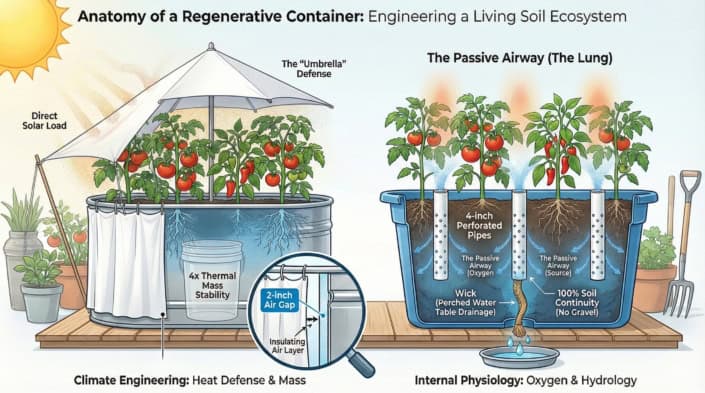
Regenerative Container Gardening: The 5-Step Guide
Why do most pots fail in August? It’s not water; it’s physics. Discover the 5 engineering principles of regenerative container gardening—from "Thermal Jackets" to "Wicking Beds"—and learn how to build a living soil system that thrives in the heat.
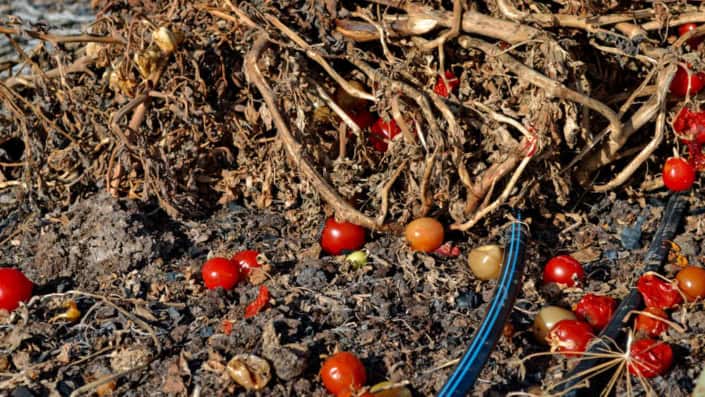
How to Clean Up Your Garden: A Proactive Guide to Pest and Disease Prevention
Transform your garden with effective garden cleanup strategies to prevent pests and diseases for next season's success.
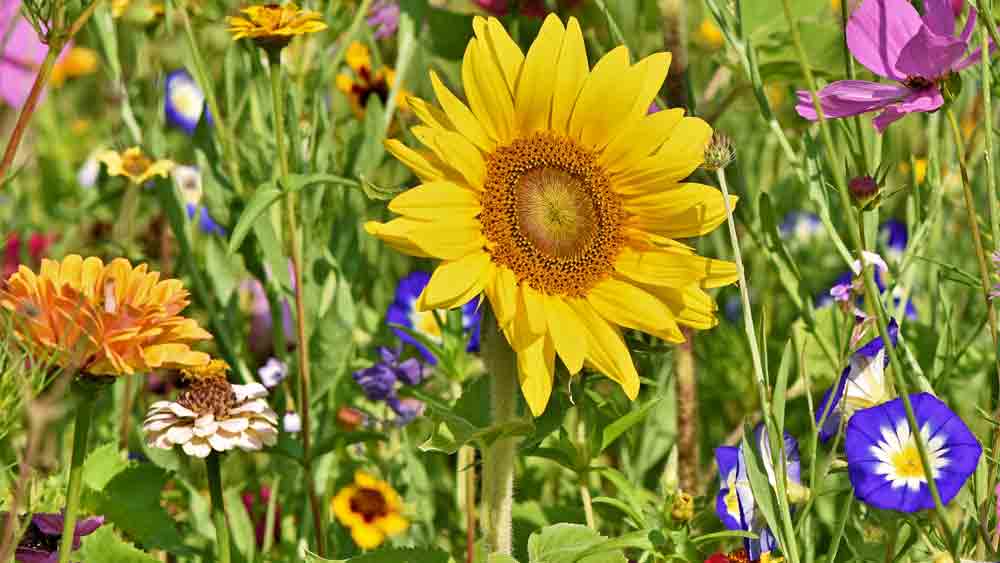
Plant Your Spring Flowers in the Fall
Get ready for a vibrant spring garden! Learn why fall is the perfect time to plant wildflowers and flower seeds for a blooming display.
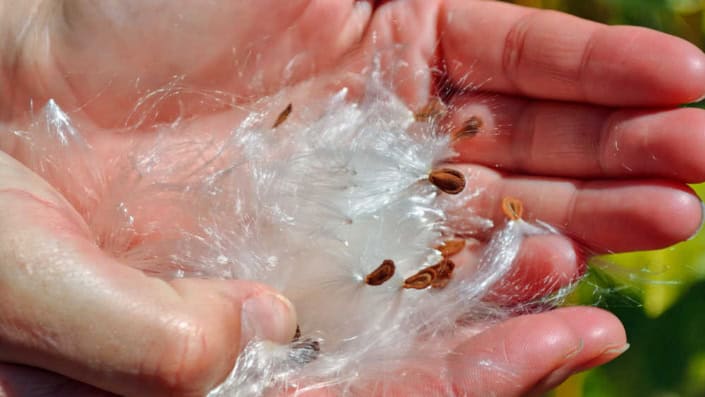
Milkweed Seed Germination Procedures
Milkweed Seed Germination uses soaking and rinsing of the seeds to remove a naturally occurring chemical from the seed surface for better germination.

Grow Great Hardneck Garlic at Home
Hardneck garlic has a more complex, richer, spicier flavor that is more 'garlicky' than the supermarket types. We show you how to grow your own great garlic!
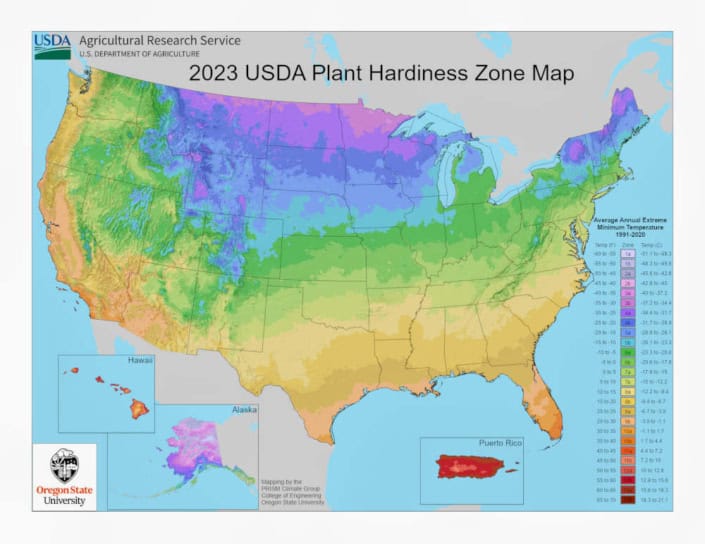
The Warm-Winter Gardener’s Guide: Overcoming the Heat to Unlock a Second Spring
Struggling with gardening in a hot climate? Learn to sidestep the summer heat and unlock your best growing season. Our guide for warm-winter gardening shows you how to master the "second spring" for a bountiful fall and winter harvest.

“The Sunflowers” by Mary Oliver
We can move beyond being a mere acquaintance to become a true friend to the sunflower, if we simply take the time to listen.
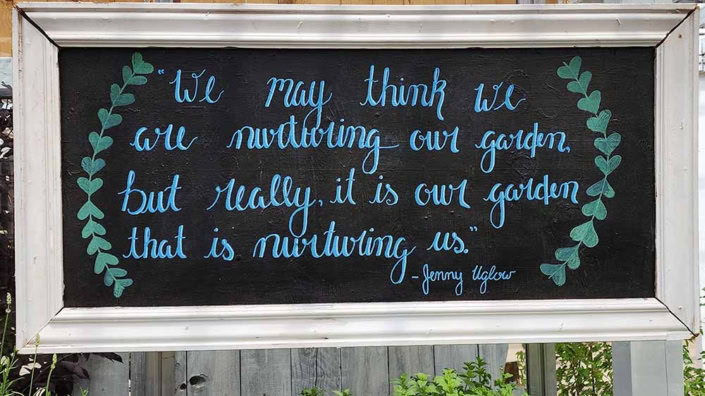
The Value of a Home Garden
Learn about the true value of a home garden in enhancing well-being and providing a soothing escape from daily challenges.
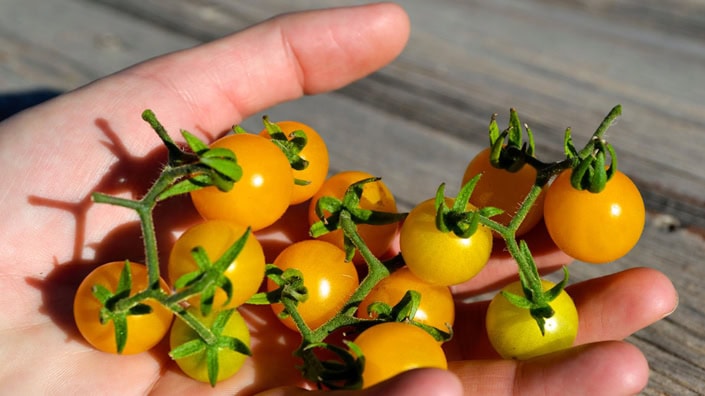
Wild Galapagos Tomato
Discover the incredible resilience and adaptability of the Wild Galapagos Tomato. Learn about its history and how it's being used in innovative research.
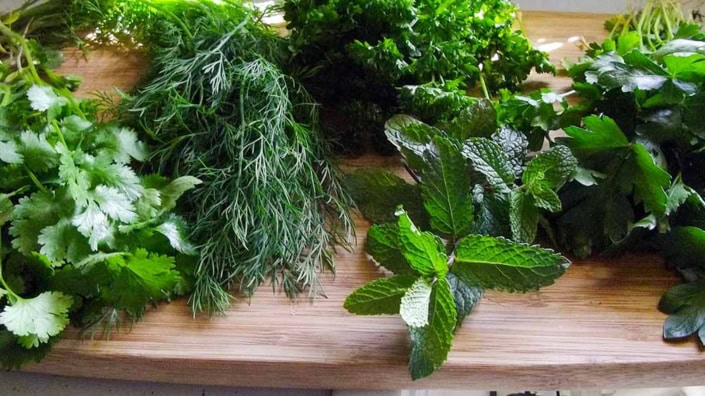
Indoor Herbs – A Guide to Growing Fresh Flavors Year-Round
Bring the flavors and scents of fresh herbs into your home with an indoor herb garden. Learn how to easily cultivate herbs indoors.

Why Grow Cover Crops: Easy Soil Improvement
Discover the power of cover crops for easy soil improvement in your garden. Enhance soil health, suppress weeds, and attract beneficial insects with these natural helpers.
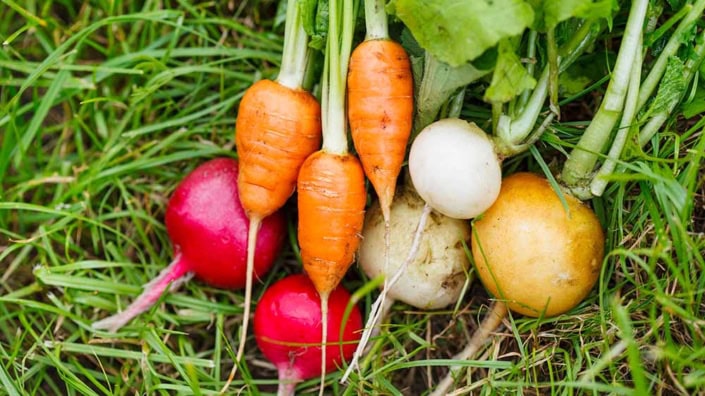
How to Plan for Fall and Winter Gardening
Successful Fall and Winter Gardening depends on summer planning for cool season harvests. We show you an easy way for great fall produce!
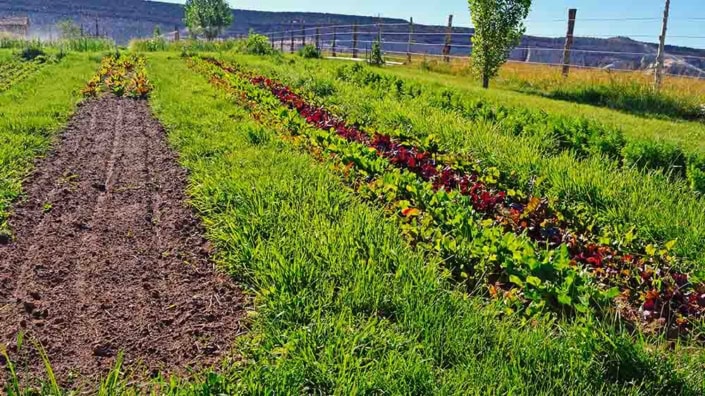
Stale Seedbed Technique – Harness Nature’s Cycles for Less Weeding, More Gardening
The counterintuitive gardening technique that gives you cleaner beds with less work. Discover the secret of stale seedbeds.
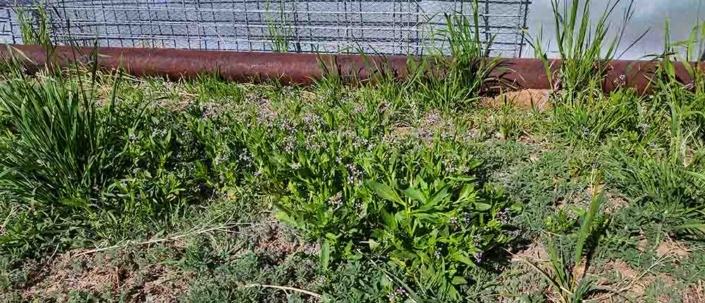
Homemade Weed Killers – Are Social Media Recipes Safe and Effective?
Discover the truth about homemade weed killers. Are social media recipes safe and effective? Find out before you try them in your garden.

A Systems Approach to Gardening Success
Uncover the power of a systems approach for gardens. Understand the interconnectedness of plants, insects, soil, and more for a thriving ecosystem.
Cover Crops Beat Garden Weeds
Planting cover crops benefits your garden in many ways, beyond just soil improvement. Weed suppression, attracting pollinators, and nutrients for next season are some examples.
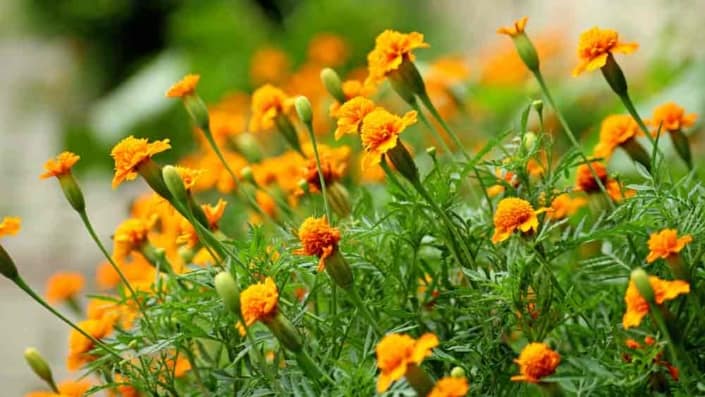
Trap Crops – Organic Pest Management for Gardeners
Discover the power of trap cropping for pest control in your home garden. Learn how to use decoy plants to protect your precious vegetables.
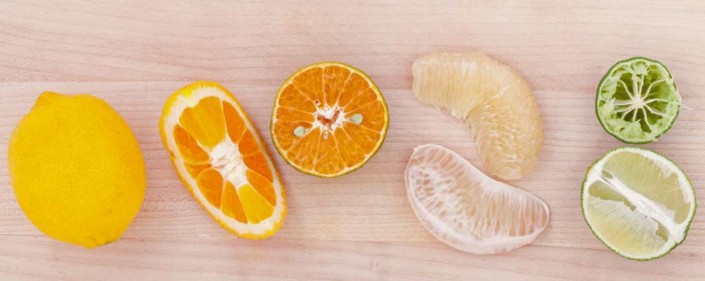
How to Grow Citrus Flavors in Your Garden
These eight easily grown herbs bring fresh, bright and invigorating citrus scents and flavors to your kitchen and garden, even if you can’t grow citrus trees.
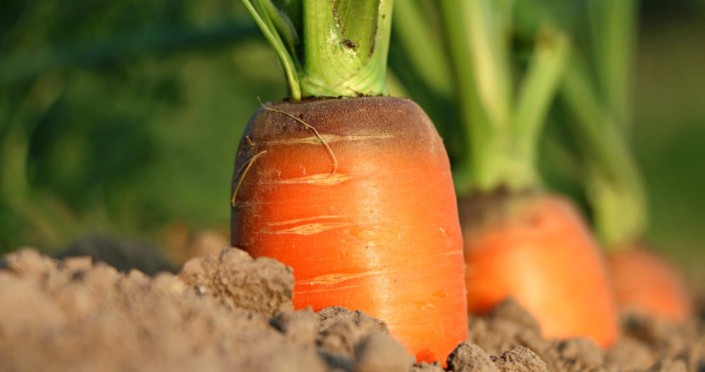
Growing Delicious Carrots from Seed to Harvest
Discover the secrets of growing perfect carrots in your backyard. Our guide covers everything from seed selection to harvest time.

Spring Garden Soil Elixir
A Spring garden soil elixir that is easy to mix, completely non-toxic and hugely beneficial to jump-starting your garden's soil for planting.

Growing Great Eggplant – What You Need to Know
Fresh-picked, home-grown heirloom eggplant is sweet and delicious and we’ll show you how to grow it and enjoy it at its best!
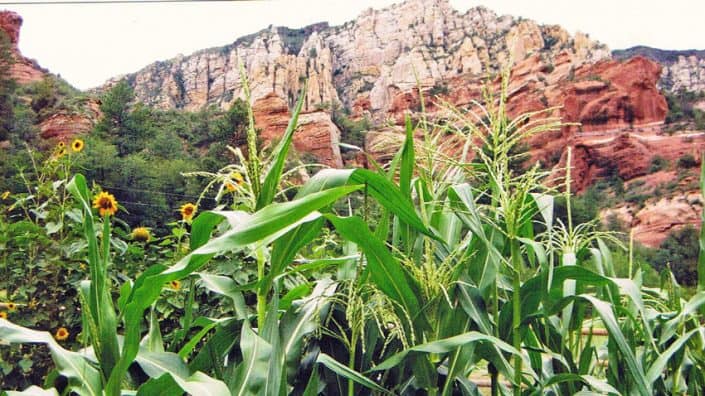
Heirloom Corn – Grow It to Save It
Heirloom corn is one of our oldest domesticated foods, feeding us for an estimated 7,000 years. Originating in Mexico, this cultivated grass is highly versatile and adaptable, providing so much more than simply food for our lives today. See some delicious varieties and how to grow in a small space.
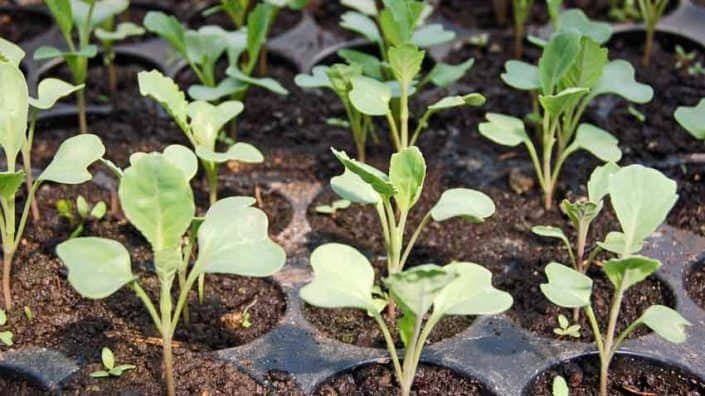
Build Your Own Seed Starting Station
A seed starting station helps you germinate seeds better and grow stronger transplants for your garden. Better gardens start with robust, healthy seedlings; they grow from the ideal conditions a seed rack provides. We share our 20 years experience in how to build your own.

Shade Your Garden for Better Vegetables
Shade for a garden is a polarizing subject – it seems like we’ve either got too much or too little. Today we’re focusing on gardens that need shade and showing you easy and simple ways to add some shade to your garden.
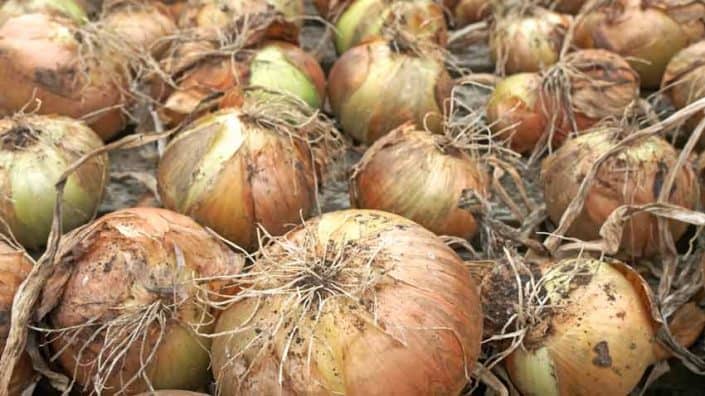
3 Ways to Grow Great Onions from Seed
Onions grown from bulbs or transplants are a good way to get started, but growing your onions from seed opens up a world of diversity in tastes, shapes, sizes, and colors. Seed-grown onions are just better all around!

Growing Peppers 101
We look at the basics of growing both sweet and hot peppers in your home garden and some mistakes to avoid and myths to be aware of. Armed with a little knowledge, you'll be much more successful this season!

Beneficial Soil Organisms – the Team Players
Beneficial soil organisms are the team players working tirelessly to improve your garden soil and feed your plants. Learn who they are and how to help them!
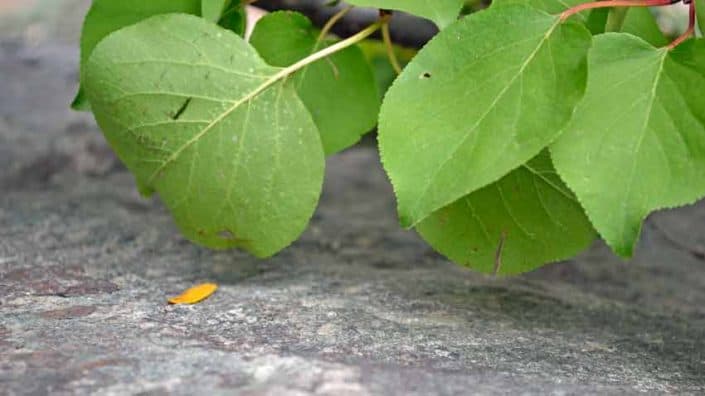
A Garden’s Beauty
A garden's beauty lies within each person who sees it, reflecting their experiences, dreams, and hopes. We see through the lens of our own reality, so no two people see the same garden.

Handmade Organic Soap
A bar of organic soap seems simple sitting in your hand, but it must do a lot – creamy lather that cleans while moisturizing, feels good and lasts well – all in one bar.
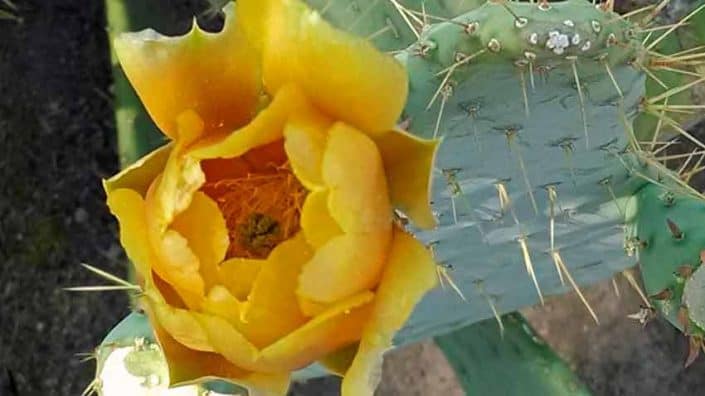
Ethel M Botanical Cactus Garden
The Ethel M chocolate factory in Henderson, NV has a delightfully unexpected surprise – a relaxing and refreshing botanical cactus garden! Impressive peace and beauty in the city.

Cool Season Vegetables to Love
Gardeners are sometimes baffled when thinking about cool season vegetables. This quick checklist will help you choose what you like to eat and cook with.

Which cover crop mix is best for me?
Our cover crop mixes benefit the soil in multiple ways. You can't go wrong with either one, so we’ll show you which one is best for your garden.

Grow Lettuce in Summer
Grow lettuce through the summer without bolting with a little knowledge and preparation we'll share with you. Imagine your own fresh lettuce this summer!
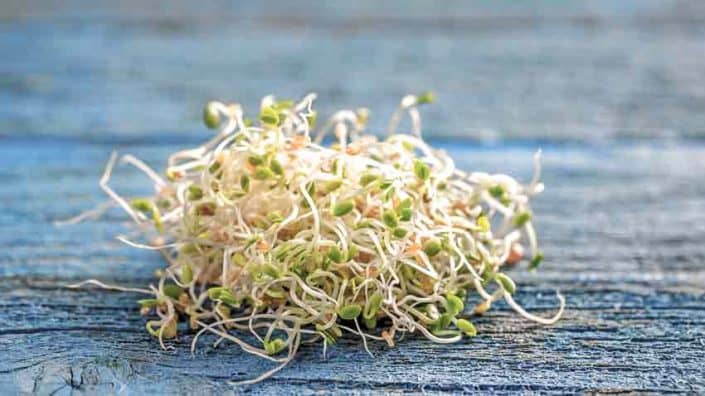
Homegrown Sprouts Safety
Homegrown sprouts are an excellent alternative to meat, especially for vegetarians and vegans. They are healthy and nutritious if grown, tested and sprouted right.
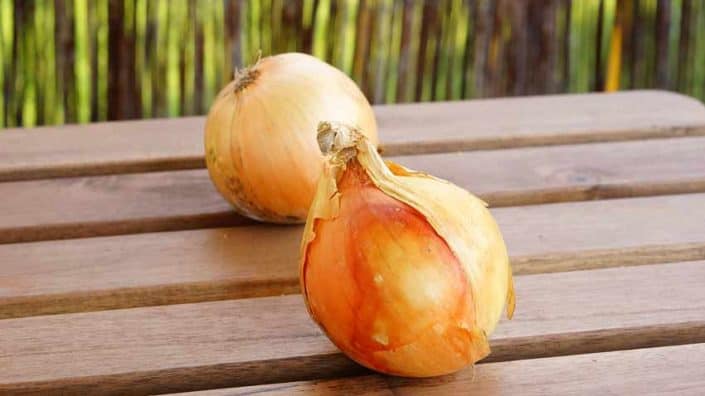
Spring Onions – When and How to Plant
Spring onions are easy to grow and give great harvest in about two months. See how to choose, plant, grow and harvest them!
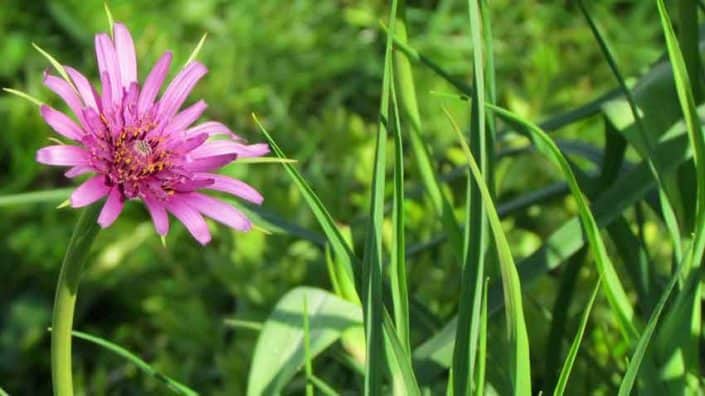
Salsify – the Vegetable Oyster
Salsify or oyster plant is an ancient herb that was eaten as a vegetable by the Greeks and Romans. Hardy and tasty, it is being rediscovered today.
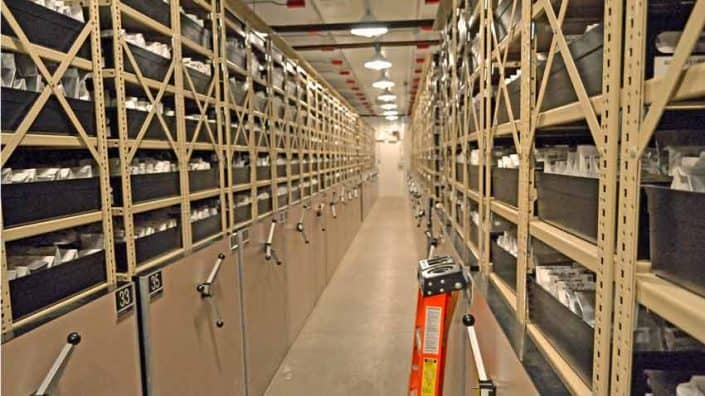
Seed Testing and Preservation: A Behind the Scenes Look at Seed Testing Labs and the USDA
Everyone wants higher quality seed - from the home gardener to the production grower. Seed testing and seed preservation improve seed quality.

How to Grow Sprouts at Home
Sprouts need only 5 minutes a day, matures in about a week and has more nutrients per calorie than any other type of food. Easy to grow and delicious!
Increasing Your Garden Knowledge
One sure way to improve your garden next year is to increase your garden knowledge during the slower season. This is easier than you might think.
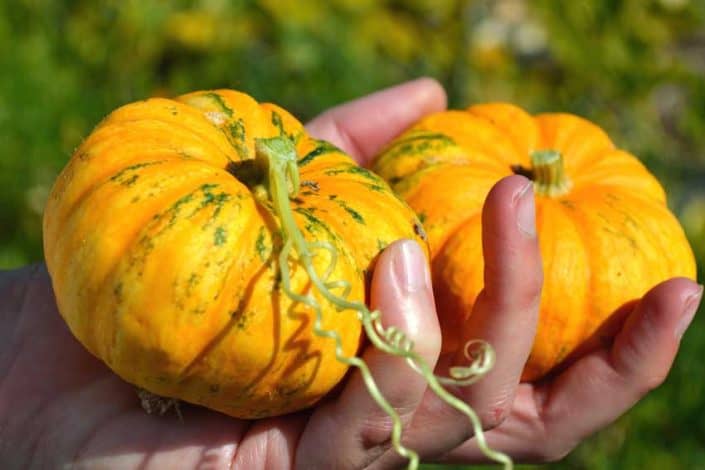
Grow Great Pumpkins from Seed to Harvest
Pumpkins are an important fall mascot, from jack-o’-lanterns to delicious foods. After all, what says Fall more than pumpkin spice lattes and pumpkin pies?

GrowHaus – Making Good Food Happen
GrowHaus is an indoor farm, marketplace and educational center in north Denver, CO. They live their motto of "Healthy food is a right, not a privilege."
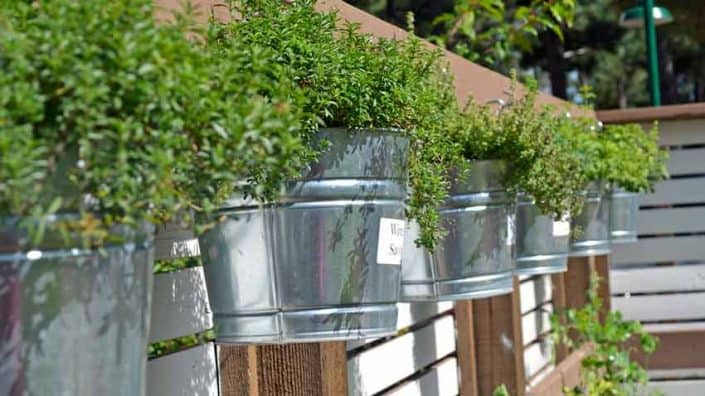
Forest Highlands Kitchen Garden
Discover how a kitchen garden works in a cold, challenging climate. This 29 year old garden was put back into growing vegetables for the kitchen in 2015.
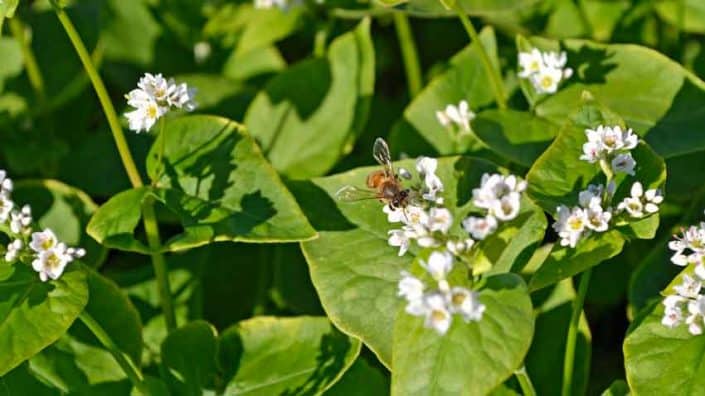
Cover Crops – Better Soil in a Month
Cover crops – also called green manures – have improved soil for thousands of years. We look at what one month of growth provides in an average raised bed.
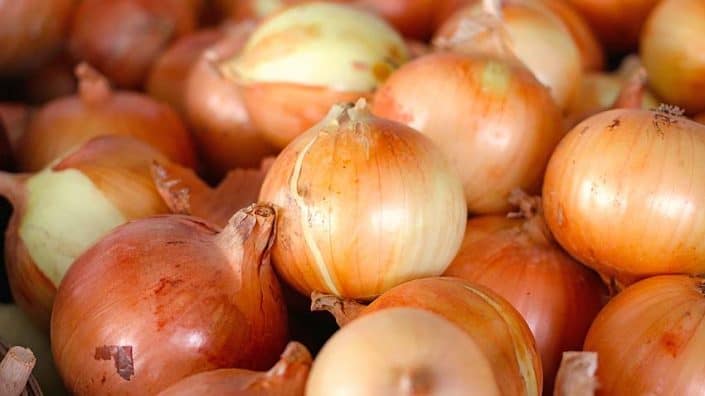
Fall Onions Made Easy
Growing fall onions usually comes down to one question - “What onions can be grown this fall?” Sweet onions are the safest bet, we'll show you why!
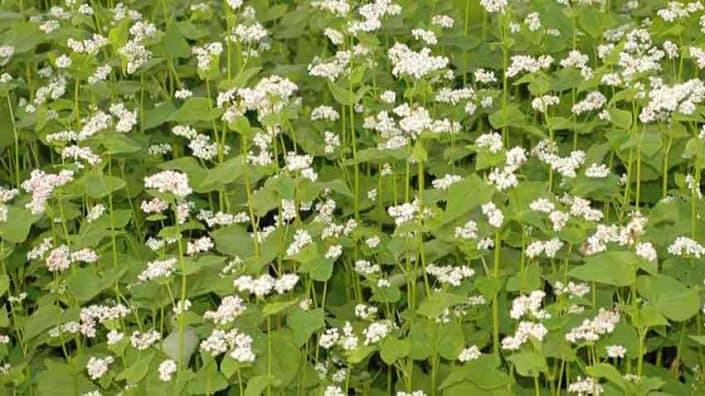
Cover Crops FAQ
Our cover crops have created lots of questions about how to use them, so we've made this article a Q&A format for the most frequent questions.
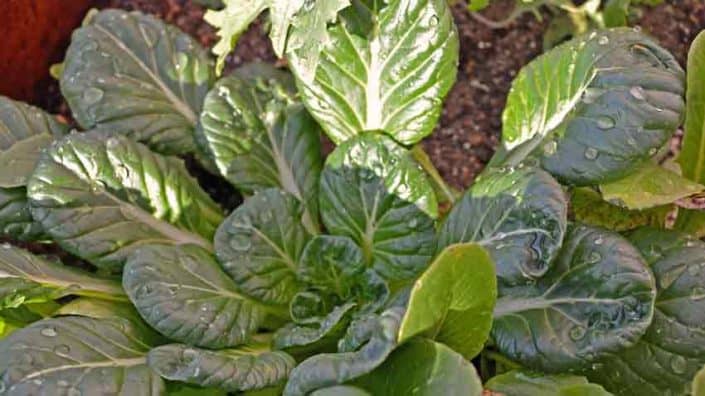
Second Chance Gardening
Fall is the "Second Chance" for an abundant crop of cool season vegetables. We share some unique planting tips to make your garden a success!
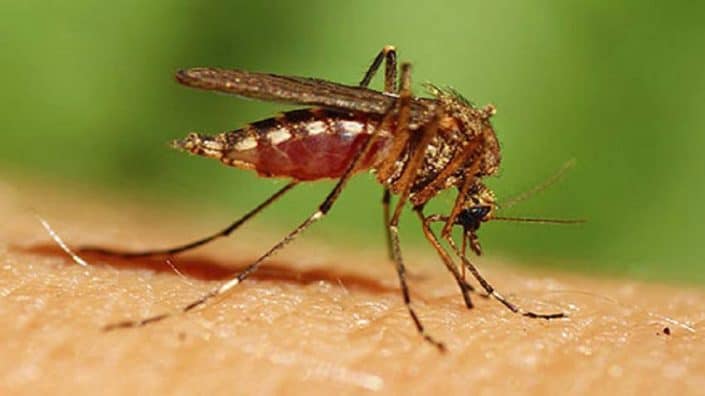
Biting Insects Repellents You Can Grow
Biting insects are the bane of gardening – just when it's perfect to enjoy the garden those annoying biting insects join the party. These 8 herbs will help!
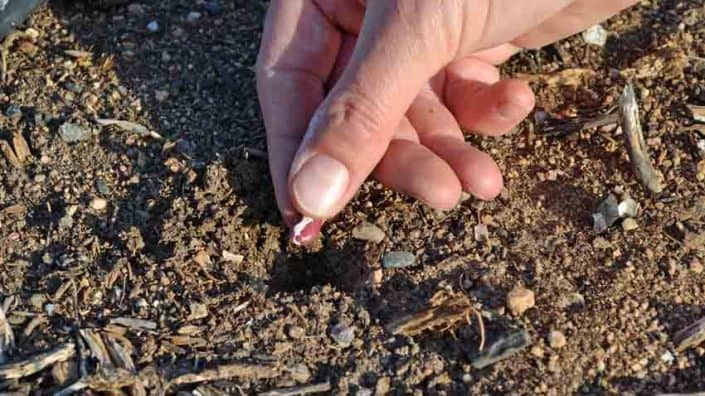
Direct Sowing Your Garden Successfully
Direct sowing can be done almost any time of the year - spring, summer or fall.. Read how to avoid common problems and set yourself up for success!
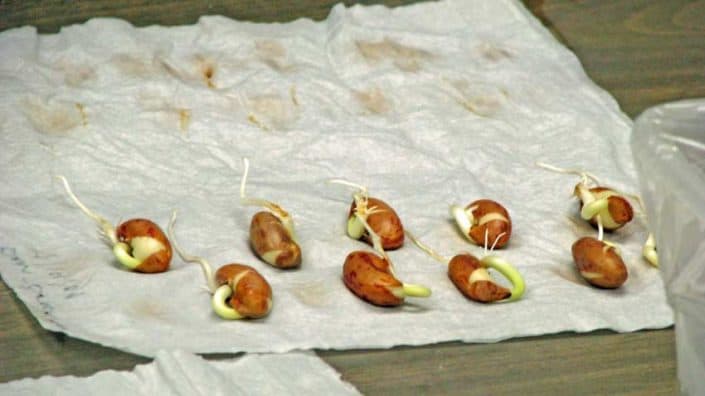
Easy Seed Germination Testing at Home
Our easy and simple germination test shows whether your seeds are good or not with supplies in your kitchen. Stop guessing and know for sure!
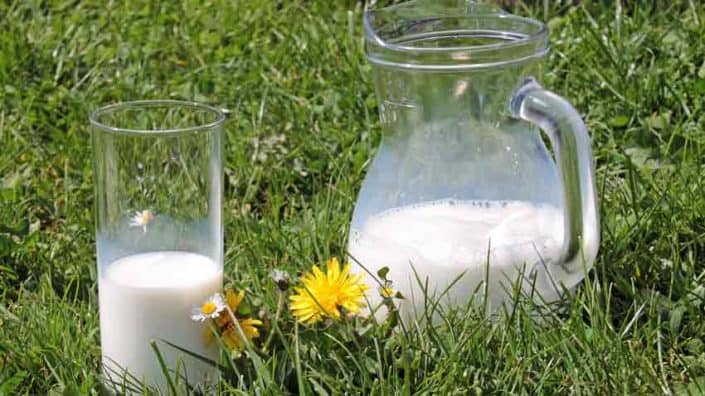
Milk and Molasses – Magic for Your Garden
Do you know the magic of milk and molasses in improving your garden? Plain old milk is a miracle for plants, soil and compost. Molasses boosts the benefits!