Archive | Recipes and Cooking RSS feed for this section

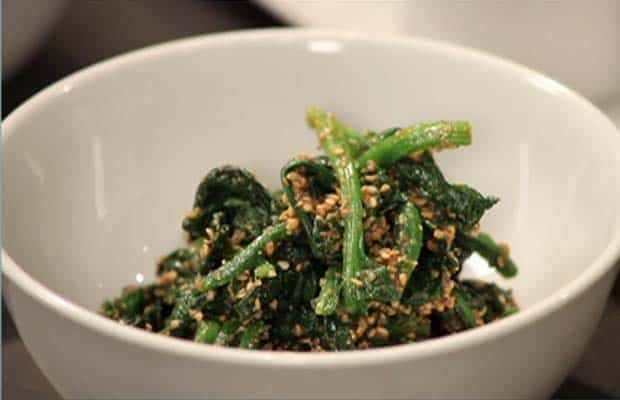
Spinach Salade Lyonnaise

Spinach

SPINACH: The Prince of Vegetables

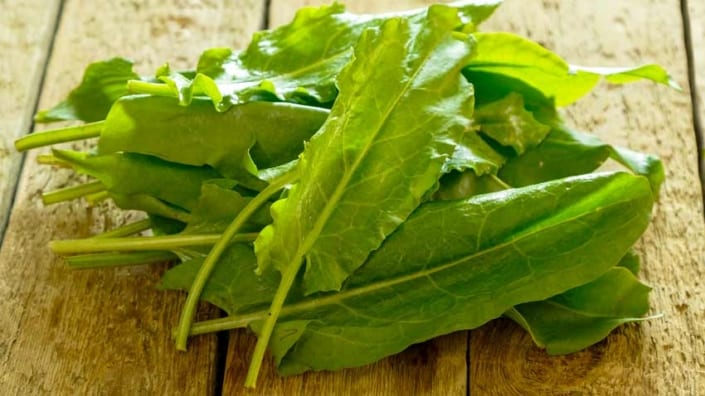
For many baby-boomers, the constant refrain of “Eat your spinach, it’s good for you!” and the olive green glop of canned vegetable that accompanied the words, led to life-long spinach avoidance. Well now is the time, if you haven’t already, to overcome your spinach phobia.  One nibble of a local farmer’s sweet and vibrant fresh spinach will do the trick.

The first spinach you see every spring is most likely from seeds that your farmer planted late last fall. The seeds germinate and barely start to put down roots before the frigid weather descends and they go into dormancy under the ice and snow. At the first hint of spring, however, they start growing like mad, and soon the leaves are huge, thick, juicy and sweet–unbelievably rich and meaty. You really have to taste it to believe it.

If great taste alone is not enough, remember that spinach is high in vitamins A and C, and in iron and folate. It is also a good source of fiber and magnesium, and is very low in calories. And if you’re still not convinced, wine fortified with spinach juice was the healing elixir traditionally given to injured French soldiers. And the Persians, who cultivated the leafy green from at least the 6th century, recognized spinach’s sophistication and called it “the prince of vegetables.”

The best thing to do with any fresh vegetable is almost nothing. But I confess that I have become dangerously enamored of this Fresh Spinach Salade Lyonnaise.  It is quick and easy to make, yet fit for a king with the combination of meaty-leaved spinach, crisp bacon, barely cooked eggs, and warm, sharp Dijon vinaigrette. (If you want to go vegetarian or vegan, just leave out the bacon and egg, adding another few tablespoons of olive oil to the dressing.)  Keep this salad in mind when fall greens like frisee, escarole, and radicchio roll around because the hot dressing will soften and sweeten those sturdy leaves.

Spinach Salade Lyonnaise from Farm Fresh Now! Printer Friendly Page

  • 4 cups torn spinach, or a mixture of spinach, lettuce, endive, and other greens
  • 2 tablespoons extra virgin olive oil
  • About 1/4 pound (or less) good bacon or ham, cut into 1/2-inch cubes
  • 2 to 4 tablespoons sherry or wine vinegar
  • 1 tablespoon Dijon mustard
  • Salt
  • 2 eggs
  • Black pepper
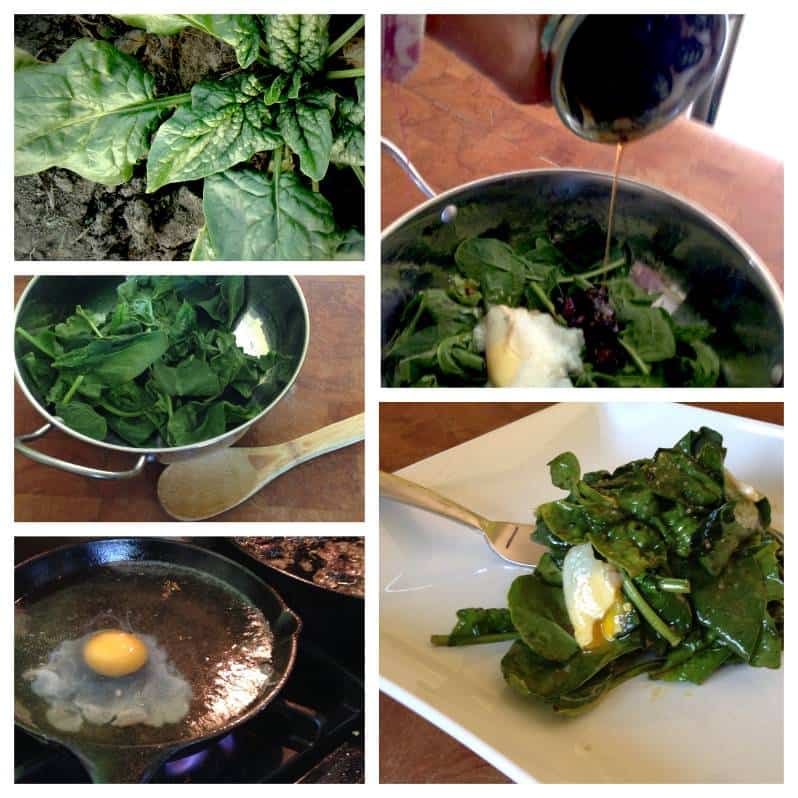
  1. Put greens in a large salad bowl. Put olive oil in a skillet over medium heat. When hot, add the bacon and cook slowly until crisp all over, about 10 minutes. Add vinegar and mustard to the skillet and bring just to a boil, stirring, then turn off heat.
  2. Meanwhile, bring a couple inches of salted water to a boil in a small pan, then lower heat to barely bubbling. One at a time, break eggs into a shallow bowl and slip them into the bubbling water. Poach the eggs for 2 minutes, until the white is set but the yolk is still runny. Remove each egg with a slotted spoon, and place onto the greens.
  3. Pour the bacon dressing over the greens (they’ll wilt a bit). Toss the salad, breaking the yolks of the poached eggs and distributing them evenly over the spinach. Season with salt and pepper to taste. Serve immediately, with croutons or toast if you like.

Serves 4 as a side dish, or 2 as a main course.

Secrets of a Seasonal Cook
Article © Terra Brockman
Photo © Cara Cummings

Farm Fresh Now! is a project of The Land Connection, an educational nonprofit that preserves farmland, trains new farmers, and connects people with great locally-grown foods.  This series is made possible with generous support from the Illinois Department of Agriculture.


Comments { 3 }

Fermented Pepper Sauce

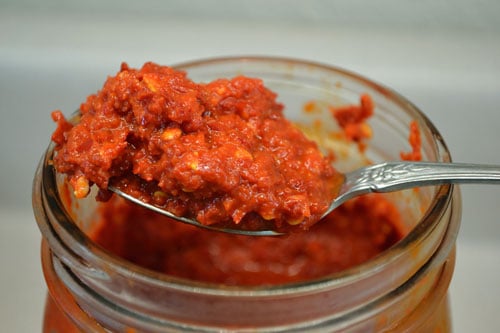
Fermented Pepper SaucePreserving that overly abundant harvest has been one of the major challenges that gardening and agriculture has always had. In today’s world we are much more familiar with the processes of canning, drying and freezing as acceptable methods of preserving our garden’s harvest for the winter season and longer. These methods have their own set of challenges, though. Canning requires time, experience and knowledge to be successful. Freezing is pretty simple, but has its own set of needs to ensure the garden bounty isn’t lost to freezer burn or premature thawing. Drying is also simple, but benefits from modern drying equipment that can be expensive as an initial purchase.

What if there was another way, a method of preserving the harvest that is not only simple, non-intensive for both labor and equipment and was proven safe? One that is location and temperature independent, doesn’t care if you forget the exact timing and still produces an absolutely delicious product? There is! That method is fermentation. It has been proven safe over several thousand years, with at least that many different approaches and many more recipes. Almost every culture across history has contributed something to the art of fermentation.

Fermenting vegetables is an extremely simple, effective and tasty way to start experimenting and gaining knowledge, taste and experience. In addition to being easy and quick it is also highly nutritious and beneficial to your health.

Some folks are hesitant or outright afraid of trying fermentation for fear of accidentally growing the “wrong” bacteria and sickening or even killing themselves or their families. This is completely understandable in today’s world of anti-microbial soaps, detergents and wipes.

At least in the world of raw vegetables, this fear is unfounded. “As far as I know, there has never been a documented case of food-borne illness from fermented vegetables. Risky is not a word I would use to describe vegetable fermentation. It is one of the oldest and safest technologies we have.” This is from Fred Breidt, a USDA microbiologist specializing in vegetable fermentation.

In fact, fermenting commercially available vegetables will kill any pathogens that we’ve seen in the news as contributing to food-borne illnesses, as they simply cannot survive in the lactic acid environments of fermentation!

This is going to be a slightly different recipe format than we usually do. We will give you a foundational approach to fermenting any vegetables, and then give a basic recipe for a sweet and hot fermented pepper sauce or paste. The beauty of these recipes is that they are entirely scalable. Do you have an extra quart of hot chiles, a handful of sweet peppers and some garlic or onion? Great, we can work with that! Or do you have a couple of 5 gallon buckets of hot chiles and 3 more of sweet peppers, more onions than you know what to do with and you’re worried about them all going bad? No worries, we can work with that as well – all from the same recipe! The flavors from each recipe will be different, but equally delicious and nutritious.

There is a new book on fermentation on the market, and it is most excellent. The Art of Fermentation by Sandor Katz is his newest exploration of this ancient form of preserving foods. His tagline on the book reads, “An in-depth exploration of essential concepts and processes from around the world.” The basic concepts of fermenting come right out of his book, and they are easy!
Fermenting Vegetables

Vegetable Fermentation Made Easy

  1. Chop or grate vegetables.
  2. Lightly salt the chopped veggies (add more as necessary for taste) and pound or squeeze until moist; alternatively, soak the veggies in a brine solution for a few hours.
  3. Pack the vegetables into a jar or other vessel, tightly, so that they are forced below the liquid. Add water, if necessary.
  4. Wait, taste frequently, and enjoy!

It doesn’t matter if you have one or a dozen veggies, the above recipe works. Add spices, herbs or edible flowers and experiment. You will be surprised at just how tasty almost everything comes out.

Now that we have the basics down, let’s look at how to handle that bumper crop of hot chiles and sweet peppers. These, along with tomatoes, are one of the most expensive vegetables to buy in the store, but taste so much better out of your garden. It is an absolute crying shame to let any of these go to waste!

Let’s look first at a hot fermented chile sauce, much like Sri Ra Cha or “Rooster Sauce” as it’s called after the rooster on the bottle. The only ingredient ratio to keep in mind is the chile to garlic. Don’t go crazy on the garlic, as it gains pungency as it ferments and can throw off the overall flavor.

A note on the salt – use anything but Iodized salt, as this will cloud the color of the brine and can leave a metallic aftertaste.

Homemade Fermented Sri Ra Cha Sauce

  • 1 Lb Ripe red chiles – Jalapeno, Serrano, Cayenne, Beaver Dam, Concho or Tunisian Baklouti
  • 2 Cloves garlic, peeled
  • 2 Tsp Real Salt, kosher salt or pickling salt
  • 2 Tbs Palm sugar or 1 Tbs light brown sugar
  • 1/4 Cup Apple cider vinegar
  • Optional: 1/4 Cup fish sauce in place of vinegar. Use Vietnamese for a stronger flavor or Thai for a milder one.
  • Optional: Tapioca starch for thickening
  1. Remove the stems from the chiles, leaving the green “cap” where the stem meets the chile. It adds a unique flavor during fermentation.
  2. Chop the chiles and garlic lightly, using a food processor if needed until mixture is largely chunky. Do not process too much, just minimally.
  3. Add chile mixture to a half-gallon Mason jar or other non-metal container. Sprinkle salt in while packing chiles. Pack down with a wooden spoon or spatula. Add just enough water to submerge mixture and cover with a dish towel secured by the ring.
  4. Ferment for a month, more or less as taste dictates. Taste about every week to see when it is “done” for your tastes. You will see how the flavor changes with time. Keep chile mixture submerged and remove any mold that forms on top by lifting it out with a spoon, fork or spatula.
  5. When the fermentation is finished, liquefy in a blender or food processor. Strain out the seeds and pulp with a cheese-making cloth and let hang for a few hours or squeeze to get all the liquid out. Discard the pulp and seeds. Heat the liquid on low heat, adding the sugar and vinegar or fish sauce and stirring them in.
  6. Once the sugar, vinegar or fish sauce are melted in you can lower the heat and reduce the sauce to the consistency you like or use a little tapioca starch to thicken it, much like using corn starch. Tapioca will add just a touch of sweetness, won’t be bitter and is GMO free. Let cool and bottle.
  7. Store in the refrigerator.

Will keep for 6 months or more, but you’ll eat it long before then!

Recipe notes: Wait until the chiles are fully ripe and red, as they will have the most complex flavor profile and yield the tastiest sauce.

Use the general ratio listed to scale up or down to suit your particular needs at the time.

Now let’s look at a larger batch with more ingredients and a completely different flavor.

Sweet and Spicy Fermented Pepper Sauce

  • 3 Lbs Ripe red chiles, much the same as above
  • 1 Lb Ripe sweet bell peppers – Jupiter, Melrose, Roumanian Sweet or Chinese Giant
  • 1/2 Lb Onion
  • 2 heads of garlic, cloves separated and peeled
  • 1 1/2 Cups Palm sugar or 1 cup brown sugar
  • 3 – 5 Tbs Real Salt, kosher salt or pickling salt
  • 1/4 Cup apple cider vinegar or fish sauce for additional flavor
  1. The procedure is much the same as for the above recipe. Chop the chiles, sweet peppers, garlic and onion.
  2. Submerse in a suitable container, pack down with a wooden spoon and cover with water. If using a large, open container it may help to use a plate on the top weighted down with one or two heavy-duty freezer Zip-lock bags filled with a brine solution of 3 Tbs salt to 1/2 gallon water. This way if the bags do spring a leak, you don’t dilute the brine of the fermentation. This also allows the bubbles to get past the plate and bags without building up pressure.
  3. Ferment for a month, tasting weekly.
  4. Liquefy in a blender, strain out the pulp and seeds.
  5. Heat on low and add sugar and vinegar or fish sauce.
  6. Thicken if desired.
  7. Enjoy!

Now you have the basic foundation of how to make some incredibly delicious chile or sweet fermented pepper sauce. You can go from mild to shockingly hot and experiment with different spices and amounts of complementary vegetables to add their flavors. You will quickly become something of a hero to your family and friends once they taste your unique sauces!

Comments { 8 }

Fermented Tomato Conserve (Conserva Cruda Di Pomodoro)

Tomato harvestAs you improve the health and fertility of your soil, you should start seeing some impressive vegetable harvests. This can be a blessing as well as a curse though. Many people know the old but highly accurate joke about the neighbor that leaves a bag of zucchini on the doorstep, rings the doorbell and runs. This is all well and good, but what to do with 100 pounds of fresh plum tomatoes? Or 150 lbs., 200 lbs. or more? The old doorbell trick will only go so far, so let’s look at a delicious alternative! Tomato conserve is a perfect choice.

Drying and canning are always options, very good ones that should be used. There is another ancient method of preserving the bountiful harvest to capture the fresh flavors for the cold winter and gray early spring months when there wasn’t much of anything fresh available. Fermenting fresh vegetables opens up so many flavors and paths to storing this summer’s bounty for the coming winter. We will look at one such method that not only ferments the over-abundance of tomatoes, but concentrates their flavors as a bonus.

A word about fermenting before we begin is in order, so that you don’t come home one day and throw out the entire project due to a misconception or lack of understanding of how the process works. This particular process uses a wild fermentation, meaning the combination of wild airborne yeasts and the naturally occurring bacteria that is on the tomatoes. This wild fermentation is spontaneous; you don’t do anything to help it along. The acid in the tomatoes provide the perfect environment to support lactic acid fermentation. There will be a surface mold which is white and completely normal. Indeed, the white surface mold is needed to protect the tomatoes from rotting. You should not see any colored mold or offensive “rotting” odors.

This process has been used for several hundred years in Italy; probably the first time was shortly after the tomato made its way from America to Italy in the early 1500s. It is still being used today, all across Italy, as small scale home growers put up their harvests to have the flavor of summer to remember during  the coming winter.

The beauty of this method is that it is very scalable, able to handle 20 lbs. in one batch and 100 lbs. or more the next one.

Start with all of the tomatoes washed, stems and any bad spots removed. Get a container that is larger than the amount of tomatoes, so that when all of the tomatoes are crushed there are several inches of space to the top of the container. If necessary, use more than one container. Crush all of the tomatoes and add them to the container. Stir well and cover with a towel, dishcloth or such to keep insects out while allowing air circulation.

The fermentation happens within a few hours and bubbles will appear, with the solids coming to the top and a white mold forming on them. Remember, white mold is good! Stir twice a day, mixing in the mold.

The fermentation will take from 4 to 5 days, depending on temperature and then stop. Remove the solids from the top and strain the mixture through a strainer. One of the best ways to do this is by using a hand cranked device that separates the skins and seeds from the pulp, called a Squeezo or Roma food strainer. The Squeezo is all metal and more expensive but will last several lifetimes!

After straining, keep the pulp and compost the seeds and skins.  (As a side note, it you are wanting to save the seeds from those wonderful tomatoes, just transfer them into another bucket for a second ferment for about a week, scoop off the mold on top and strain out the seeds. Rinse thoroughly and dry on paper towels with the seeds spread out.) The pulp will still have a lot of moisture that needs to be removed. Do this by further straining the pulp in a fine mesh bag or cheese making bag over the sink or a catch bowl. Tie the bag closed, let it hang and drip liquid for a day. It may become covered with a layer of white mold again, just “shave” it off after it finishes the drip process.

The pulp will be noticeably drier and reduced in volume. If the consistency is thick enough for you, stop here. If not, put the bag between two boards or plates with a weight on top to compress it and further drain moisture out for another day or two.

When it is the consistency that you want, traditionally that of firm dough, remove any mold on the bag, open it up and peel it off of the now-firm pulp. The Italians add 25 percent salt to the tomato pulp, but most Americans find this to be way too salty. 10 percent is a good starting point, as it is much easier to add salt than to remove it! Mix the salt in well and let sit. After a few hours knead the mixture just like dough to develop the texture and store it in a jar. It does not need to be refrigerated and will last for several months. In Italy it is usually stored in waxed paper. If you do choose to store it in the refrigerator, it should last for a year.

The end result will be a preserve that is about 8 – 10 percent of the amount of tomatoes you started with. The flavors will be highly concentrated, so a very small amount will add a tremendous amount of flavor to your dishes, from soups, stews and sauces to omelets, dressings and marinades.

Comments { 7 }

Homemade Chile Coloradito Sauce

Chile Coloradito SauceThis is an incredibly versatile chile sauce with loads of flavor and just a touch of heat. It is my adaptation of the incomparable Mole Coloradito Oaxaqueno from Susanna Trilling in her “Seasons of My Heart” cookbook that we’ve featured before. (Mole is pronounced “Mole-lay”!)

This makes a sauce that is 95% of her Mole, but I prefer to make a very large batch as it is a project to do and doubling of the recipe doesn’t take much more time to make. Then you have this cache of amazing flavor that spices up any dish with no extra time but lets all of the flavor and work shine through. It is a wonderful basis for enchiladas, nachos, stews, soups, sloppy Joe’s, burritos or even spooned over eggs in the morning. I like to add about half tomato sauce by volume to make a great sauce that is smooth and mellow with the taste of the chiles but none of the bite.

Colorado means “red” in Spanish, usually referring to a deep brick type of red, so coloradito is “little red”. We’ll give you the recipe first, then walk you though the preparation in photos so you can see the stages and progression. These chiles can easily be grown in your garden for most of North America, or at a well-stocked Mexican grocer. For the Mexican chocolate, Ibarra is a well-known brand that is available almost everywhere. If you really want to take the flavor to the next level, look at Taza Chocolate. It is stone ground in the traditional Mexican village tradition and has a flavor that is absolutely to die for, not to mention being fair trade and traceable to the source. You can see all about how your batch was made by entering the batch number into their website!

Homemade Chile Coloradito Sauce Printer Friendly Page

  • 18 Ancho chiles
  • 21 Guajillo chiles
  • 25 Pasilla Bajio/Chilaca chiles
  • 10 Concho chiles
  • 1 Chipotle chile en adobo
  • 5 Black peppercorns, whole
  • 2 Cloves, whole
  • 1 Star anise, whole
  • 1 Allspice, whole
  • 1 Piece Mexican cinnamon, about 1 inch long
  • 1/2 Tsp Cumin, whole
  • 1/4 Tsp Coriander, whole
  • 1 Head garlic, cloves separated
  • 1 Medium onion
  • 1 Lb ripe tomatoes, quartered
  • 1/2 Tsp Mexican oregano, dried (Can substitute Marjoram if needed)
  • 1 Plantain, ripe
  • 1 Tbs raisins
  • 5 Almonds, whole and unpeeled
  • 1/2 Cup sesame seeds
  • 2 Bars Mexican chocolate – 6 oz total
  • 3 Tbs Coconut oil or sunflower oil
  • 1 1/2 Qt homemade chicken stock
  • Salt to taste

There are 3 steps to this recipe: processing the chiles, processing the spices and processing the tomatoes, onions, plantains and seasonings.

Some cooks will stem and seed the chiles while still dry, toasting the pieces. Others will toast the chiles whole, then soak them to soften the skins and remove the stems and seeds.

  1. Bring 2 quarts of water to a boil. Meanwhile, heat a dry comal, griddle or a cast-iron frying pan over low heat and toast the chiles on both sides for about 5 minutes. Toast the Anchos a bit slower and on a lower heat because of their thicker skins. Toasting them blisters and loosens the skins and gives off a rich chile aroma. It may be best to toast them in smaller batches so the pan or comal is not crowded. You need room to move and turn the chiles in the pan.
  2. Remove the chiles, place them in a large bowl with the hot water. Cover or weight the bowl with a plate to keep the chiles submerged. Soak for about 20 minutes to fully soften the dried skins. If chiles have been stemmed and seeded, puree in a blender using as little of the chile water as possible to make a thick paste, usually about a cup. If chiles have not been stemmed and seeded, do this first, then puree in blender. It is best to do this in small batches to not overload and overheat the blender, as the chile puree is quite thick. Depending on your blender, you may have a smooth paste at this point, or you may have some small pieces of skin. If skin pieces are present, pass the puree through a food mill or sieve to remove the skin pieces. Set aside.
  3. After processing the chiles, heat the dry comal, griddle or cast-iron frying pan over medium heat and toast the peppercorns, cloves, allspice, cinnamon stick, cumin and coriander until they release their aroma. Stir the spices constantly to prevent burning and to monitor the toasting process. Set the spices aside.
  4. Grill the garlic and onion on the dry frying pan, turning often until they become translucent. They may stick a bit, but keep turning. Puree the spices, onion and garlic with 1/2 cup of the chicken stock. Set aside.
  5. Heat the cast-iron frying pan to medium and cook the tomatoes and oregano with no oil until the condense, usually about 10 – 15 minutes. They will give off their juices, then start to condense as the juices evaporate. Once condensed, set aside.
  6. Heat 2 Tbs of the oil over a medium heat in a cast-iron frypan and fry the plantain until brown, about 10 – 12 minutes. Remove from the pan, add raisins and fry until plump, about 3 minutes. Remove and set aside with plantain. Fry the almonds until light brown, about 4 minutes. If needed add a little additional oil, but the amount should decrease with each ingredient until the almonds are almost being dry-fried.
  7. Puree the plantain, raisins and almonds in a blender with 1 1/2 cups chicken stock until smooth.
  8. Heat frying pan over low heat, add 1 Tsp of oil and gently fry the sesame seeds until just turning brown, about 6 – 8 minutes, stirring constantly. Remove, cool and grind in a spice grinder or food processor.
  9. In a heavy stockpot, at least 6 quart capacity, heat 1 Tsp of oil until almost smoking on medium-high heat. Add chile puree and cook, stirring constantly. It will splatter, but keep stirring until heated through. Once heated, lower heat to medium-low and cook for about 20 minutes, stirring frequently. When chile puree starts to thicken add tomato mixture, lower heat to low and cook another 15 minutes, stirring to keep from sticking or burning. Then add onion and spice mixture and stir well. Add pureed plantain and sesame mixture and stir well. Cook a further 10 minutes, stirring constantly to keep from sticking.
  10. If you are making a larger batch and freezing some, add 2 cups of chicken stock, stir in well then add the chocolate and stir constantly. Once the chocolate has dissolved, add the salt, stir in well. Reduce heat to a slow simmer and let cook for 10 – 15 minutes, stirring frequently to avoid sticking. It will be a thick sauce, ready for freezing in jars. Let cool, then ladle into mason jars leaving an inch gap at the top. Will keep in the freezer for up to a year.
  11. If you are making the batch to use fresh, add 5 cups of chicken stock to thin the sauce, then add the chocolate, stirring constantly. Once the chocolate has dissolved, add the salt. Lower the heat to a slow simmer and let it cook down for at least 30 minutes, stirring occasionally. It should coat the back of a spoon, but not be much thicker when done.

Makes about 8 servings.

Recipe Tip! It doesn’t take much longer to make double the recipe and freeze for an easy, delicious dish later!

This may sound complicated or a lot of work, so we will walk you through the process and show you what each step looks like. It is a good day’s worth of work, but it can be broken up into a couple of days if you don’t have the time to make it all in one day. Once you taste the results, you will immediately see why it is worth the effort to make a large batch!

In the first photo, we are toasting two of the different chiles and dry frying the onion and garlic in another pan. We have learned to save a lot of time by combining a couple of steps at once. The Ancho chiles are in the back with the Pasilla Bajio or Chilacas in front.

Roasting Chiles

Roasting Chiles and Frying Onions

These are the chiles after toasting, soaking and being stemmed and seeded. Most of the work happens right here, to get to this stage. After this everything is roasting and toasting, then using a blender to puree everything into a sauce. To give a sense of scale, this bowl is over 18 inches across!

Soaked, Seeded and Stemmed Chiles

Into the blender with the chiles! We have a Vita-Mix blender that is a real blessing with big projects like this. It stands up to the thick sauce without overheating, but we still need to process all of the chiles in batches. We usually fill the blender about 1/3 full with chiles and add just enough soaking water to make a thick paste. Please notice the gloves, I use them when working with chiles for extended periods of time to keep me from itching my eyes with a chile-infused finger!

Pureeing the Chiles

It is easy to see why the name of “colorado” is applied to this sauce – look at that beautiful rich brick red color! My mouth was watering for most of the time after we pureed the chiles as the kitchen was filled with their aroma.

Finished Pureeing

There is not too much volume lost from the soaking stage to the pureed stage. This is the same bowl after we’ve finished pureeing all of the chiles.

Lots of Chile Sauce

Next up is toasting and grinding the spices and seasonings. We used a smaller cast-iron pan to toast the spices and release their aromas.

Toasting Spices

A molcajete is what we use simply because we have one. It is great for grinding spices and really working them to release their flavors and aromas. A food processor or blender can do much the same with less effort.

Grinding Spices

A few minutes later, here is what the ground spices look like, ready to be mixed into the chile mixture. At this point we’ve also pureed the onion and garlic and mixed it into the chile sauce.

Ground Spices

Now it’s time to mix it all together! This photo helps to show the scale of everything, as the whisk is almost a foot long and I’ve got my hand completely wrapped around it to work all of the purees and spices together.

Mixing Everything Together

After everything is mixed together and cooked at a slow simmer, we put it up in jars to freeze for later. We use pints, as this gives a generous amount of sauce without being too much after a couple of days. We leave about an inch or little more of space at the top to allow for expansion in the freezer.

Jar of Chile Sauce

All done except the clean-up! This particular batch made 17 pints of scrumptious chile sauce, with just a bit left over for the next morning’s eggs. This will give us almost a year’s worth of chile sauce.

Almost Finished

A close-up of the color and texture of the finished product. Well worth the work!

A Taste of Chile Heaven

Comments { 0 }

Risotto alla Veronese

Risotto alla Veronese

Risotto alla Veronese

Risotto is a wonderful Italian dish made from rice. Some of the best Italian rice is harvested at the beginning of October around Verona, in the north-east of Italy. One of the most famous areas is Isola della Scala, just south of Verona. Isola della Scala is often called “Città del Riso” (city of rice) because it is surrounded by large rice fields.

It has been a center of rice production in the Veneto region since the 17th century. You can imagine the wealth and history of risotto dishes from this area! Once a year immediately after the rice harvest the Fiera del Riso (Festival of Rice) takes place during the months of September into October. This event features many culinary contests and historical exhibitions that inspire visitors. The rice festival is, of course, not only an event for education and watching but also for tasting – hundreds of thousands of different risotto recipes are served during the event. This past event was the 44th annual festival with just over 500,000 people visiting!

Here is a representative risotto recipe from the region. Many variations can be made from this simple basis; a vegetarian status is achieved by omitting the ham, the flavors of different cheeses will make the dish entirely different and a different selection of herbs will change the direction yet again. Start with the basis to get a feel for what flavors you like and branch out from there. Soon you will have a comfortable “feel” for how to make this, and start to make your own “family recipe”.

Risotto Alla Veronese Printer Friendly Page

For the broth:

  • 2 Tbs of extra virgin olive oil
  • 2 celery stems, and a few leaves, coarsely chopped
  • 1 onion, coarsely chopped
  • 1/2 bunch Italian parsley, coarsely chopped
  • 2-3 new carrots (or baby carrots), coarsely chopped
  • 1 kohlrabi or Japanese turnip, sliced – it adds a nice touch of sweetness
  • 1 1/2 quarts of water
  • 10 peppercorns, cracked
  • 1 or 2 bunches of sculpit leaves
  • Coarse sea salt to taste
  1. Heat the olive oil in a pan and cook the celery, carrots, kohlrabi, onion, and parsley for 2-3 minutes before adding the water.
  2. Add the peppercorns, bring to a boil, cover and then simmer for about 15 minutes.
  3. Add the sculpit and simmer another 15 minutes.
  4. Turn off heat and let sit, but keep warm.

For the rice:

  • 1 onion or small bunch of green onions or 2 – 3 shallots
  • 1 – 2 cloves garlic, minced
  • 2 Tb olive oil or butter
  • 1 small whole sprig of fresh rosemary
  • 3 cups of risotto rice (Vialone nano)
  • 1/2 Cup Soave or other dry white wine
  • 6 cups vegetable broth from above
  • 1 /2 Lb Prosciutto or Parma ham, sliced into thin strips
  • 1 bunch of sculpit leaves, finely chopped
  • 2 handfuls of Grana Padano/Parmigiano Reggiano (or half/half with Pecorino Romano for a more intense flavor)
  • Knob of well chilled butter
  • Drizzle of olive oil and freshly ground black pepper
  • Coarse sea salt to taste
  • Fresh ground pepper to taste
  1. Heat the olive oil in heavy large pot over low heat. Add rosemary and sauté for 2 minutes, until fragrance is released. Remove rosemary and discard. Increase heat to medium, add the chopped onion, green onions or shallots along with minced garlic and sauté with a pinch of sea salt until just tender, about 4-5 minutes. Onion should just turn glossy.
  2. Add the rice and stir for about 2 minutes. When the rice starts to turn translucent in 5 – 10 minutes add the wine and stir, then put lid on pot until absorbed, about 1 minute.
  3. Stir in 1 cup of the warm broth and simmer until it is absorbed with the lid on, stirring frequently. Cook until the rice is almost tender, adding broth 1/2 – 1 cup at a time and stirring often, allowing each addition to be absorbed before adding the next, about 15 – 25 minutes.
  4. Add the finely chopped sculpit leaves, Prosciutto or Parma ham, stir well for one minute and turn off the heat.
  5. Stir in the Grana Padano/Parmigiano and the butter. Let the risotto rest for five minutes.
  6. Season with salt and fresh ground pepper.

Serves 6-8

Recipe Tip! This can easily be made vegetarian by simply omitting the ham at the end, or reserving a portion without the ham.

Comments { 0 }

Asparagus with Tomato Pesto Dressing

Asparagus with Tomato Pesto Dressing

Asparagus with Tomato Pesto Dressing

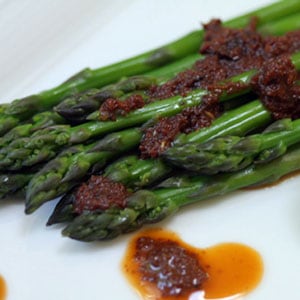
Asparagus adds a creamy foundation to the rich, flavorful and slightly spicy tomato pesto sauce in this unusual side dish. It is easy to make and adds taste and presence next to a hearty frittata or fresh spring dinner.

To cut the amount of time needed, make the pesto ahead of time. The flavor and heat can be adjusted by adding more chipotle and garlic to the pesto sauce. Make extra, as this is a hit once people taste the mixing of flavors!

Asparagus with Tomato Pesto Dressing Printer Friendly Page

  • 1 Lb fresh asparagus
  • 1 Qt water
  • 1 Tbs salt
  • 1/4 Lb Sun-dried tomatoes (not marinated)
  • 1 Chipotle pepper
  • 1 – 2 cloves garlic
  • 1/2 – 1 Cup Olive oil
  1. Cut woody ends from asparagus. Bring water to a boil with salt.
  2. When water is boiling, take some to cover tomatoes and Chipotle pepper in an inch of boiling water; set aside and let soak until soft, about 10 – 20 minutes.
  3. While tomatoes and pepper soak, add asparagus to pot and boil for 2 minutes to blanch.
  4. Drain and plunge into cold water to stop cooking, then drain.
  5. Drain tomatoes and pepper, put into food processor with 1/2 cup olive oil and garlic. Puree until well minced. Blend in additional oil to achieve desired consistency.
  6. Arrange asparagus spears on plate; pour pesto over top. Serve warm or cold.

Recipe Tip! If using pliable sun-dried tomatoes and Chipotle pepper in adobo sauce, only soak in boiling water for 2 – 5 minutes.

Makes 4 servings

Comments { 0 }

Pumpkin-Orange Cheesecake

Pumpkin Orange Cheesecake

Pumpkin Orange Cheesecake

This pumpkin-orange cheesecake is a centerpiece dessert with multiple layers of rich flavors that roll across your tongue, surprising you with each new taste. Rich and complex, this cheesecake is to be savored and enjoyed with friends and family. The orange is the first surprise, coming in soon after the pumpkin announces itself. Then the caramel, toasted nuts and salt crystals come into play, creating an entirely new experience than most have had with cheesecake.

There are several variations that can easily be done here, depending on your skill level and time. First, making the caramel sauce in advance is important because the flavors you will have with home-made caramel sauce are much richer and fuller than the preservative laden sauce from a store. Second, using local pumpkin will give another flavor dimension that is impossible with store bought canned pumpkin. Third, the choice of salt is important. I really prefer FalkSalt, a handmade sea salt from Cyprus by a Swedish company that is dried into pyramid shaped crystals. They have an incredible visual appearance, great flavor and a satisfying crunch that just really completes the whole experience. My personal favorite is the Chipotle, as the slight hint of spiciness combined with the saltiness really complements all of the different sweet flavors. You should be able to find FalkSalt at a well-stocked grocery or specialty food store near you.

Both Thanksgiving and Christmas are top-shelf culinary times, and this cheesecake will set itself apart at either one. It will disappear almost as fast as the compliments roll in! We have adapted this recipe from one we tried and loved last Thanksgiving from Sunset magazine. Give it a try and enjoy!

Pumpkin-Orange Cheesecake Printer Friendly Page

CRUST

  • 1 package (9 oz.) chocolate Graham crackers
  • 1/2 cup melted unsalted butter

FILLING

  • 3 packages (8 oz. each) cream cheese, at room temperature
  • 3/4 cup granulated raw sugar
  • 1/2 cup packed light brown sugar
  • 1 Tbs flour
  • 4 large eggs, at room temperature
  • 1 cup pumpkin puree
  • 1/4 cup heavy cream
  • 1/4 cup sour cream or plain whole milk yougurt
  • 1/4 cup maple syrup
  • Zest of 2 medium oranges
  • 2 Tsp pumpkin pie spice (1 part freshly grated nutmeg, 1 part ground allspice, 2 parts dried ground ginger, 4 parts ground cinnamon and 1 part ground cloves)

TOPPING

  • 6 Tbs caramel topping (see note)
  • 1/8 Tsp sea salt such as RealSalt
  • 1/2 cup coarsely chopped toasted pecans
  • Flaked salt crystals like FalkSalt

Note: Caramel topping can be store-bought or made youself in advance. Home-made caramel is much more tasty and doesn’t take too much time.

Flaked salt crystals make a great garnish to the edge and add a depth of flavor. I prefer FalkSalt, the Chipotle flavor adds a spicy note to the sweetness!

  1. Make crust: Preheat oven to 350°. Whirl crackers in a food processor until finely ground. Whirl in butter just until incorporated. Pour crumbs into a 9-in. springform pan and press over bottom and about 1 in. up inside of pan. Bake 7 minutes, then let cool on a rack. Reduce oven heat to 300°.
  2. Make filling: In a large bowl, with a mixer on medium speed, mix in cream cheese, sugars, and flour until smooth. Beat in eggs on low speed 1 at a time. Add remaining filling ingredients and beat until just blended. Wrap bottom of springform pan with foil, pressing it up the outside.
  3. Set springform pan in a roasting pan and pour filling into crust. Pour enough boiling water into roasting pan to come about halfway up side of springform pan. Bake until cheesecake barely jiggles in the center when gently shaken, about 1 1/4 hours. Let cheesecake cool on a rack 1 hour, then chill until cold, at least 5 hours.
  4. Whisk caramel topping and table salt in a bowl and spoon over cheesecake. Arrange pecans around rim and sprinkle flaked salt over pecans.

Recipe Tip! For a crack-free cheesecake, mix the filling just until it’s smooth and blended–no more. (Too much air in the mixture will make it deflate, and then crack, in the oven.)

Makes about 16 small servings

Pumpkin-Orange Cheesecake

Comments { 0 }

Radicchio di Treviso Salad

Radicchio di Trevisio Salad

Radicchio di Trevisio Salad

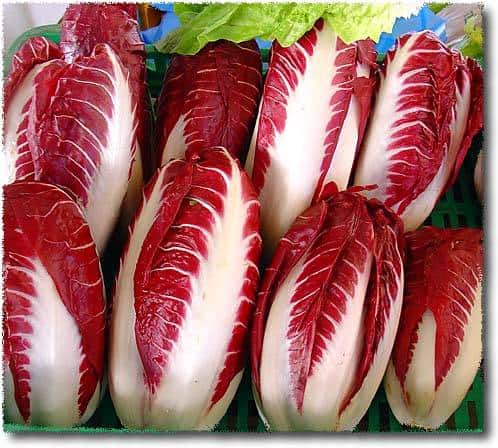
Fresh, seasonal salads are an excellent starter for great meals and showcases for creativity, and here we have the famous red radicchio from Treviso partnering nicely with pine nuts and alici, the smallest, most delicate members of the sardine family.

Radicchio di Treviso Salad Printer Friendly Page

  • 2 1/4 Lbs Radicchio di Treviso
  • 1/2 to 3/4 unpacked cup, shredded tender root portions of radicchio plants (can substitute celery root)
  • 3 Tbs olive oil
  • 8 – 10 Alici, chopped fine (see note)
  • 1-2 Tsp Balsamic vinegar
  • 1/2 cup pine nuts
  • Freshly ground sea salt and black pepper to taste

Note: Alici are the smallest and most delicate of the sardine family. They are traditionally pickled fresh with a mild onion, then chopped fine and used in antipasto dishes. As a substitute, use half the amount of sardines in salt that have been rinsed and soaked a couple of times to remove the overly strong salt flavor.

  1. Clean, wash and shred the radicchio root.
  2. Wash the radicchio, shake out the moisture, and shred the leaves to uniform size.
  3. Combine the ingredients in a bowl, mix thoroughly and serve.

Recipe Tip! This traditional antipasto goes extremely well with a moderate white wine.

Makes 3 to 4 servings

Comments { 0 }

Old Time Green Chile Stew

Green Chile Stew

Green Chile Stew

I grew up eating this green chile stew, or as we simply called it – green chile. Mention green chile in most places in the Southwest, and people will understand that you are talking about a bowl of stew, made with green chiles, herbs, sesonings and usually pork. We would make a huge batch of it in the fall, roasting, peeling, seeding and chopping upwards of 50 pounds of the Hatch New Mexican green chiles on the first day. The next day we would make the recipe in huge kettles on the stove to serve at Thanksgiving, Christmas and celebrations at the end of the year. What we didn’t eat immediately we would freeze for the coming year. Thanksgiving just wasn’t really complete without a bowl of green chile on the table, to be ladled over the turkey, mashed potatoes or in a bowl on the side to be savored all by itself. Christmas was much the same. That green chile was something to be looked forward to each time we took it out of the freezer for that night’s dinner.

We learned the foundation of this recipe from an old family friend from a small town in the state of Chihuahua in Northern Mexico. She grew up poor, so her family grew and raised almost all of their own food, including chiles that were used in almost all of their cooking. The flour and oil is used to make a roux, or thickening sauce that gives the dish a nutty flavor as a backdrop for the chiles and meat to take center stage. It takes a bit of time to make, so make a lot to freeze for later. It doesn’t take any extra time to make more, especially if you aren’t roasting, peeling, seeding and chopping the chiles yourself. You can order them directly from companies such as Biad Chile Company and get them delivered to your door, or go to your local farmer’s market where there will probably be a propane powered chile roaster spinning away, creating fresh roasted chiles right before your eyes.

This recipe will give you highly tasty, mild green chile. You can spice it up with hotter green chiles, or with some varieties of hot red chiles as you like. Green chile is ubiquitous in the Southwest, every family has their own take or twist on the basics, so no two are alike. In Santa Fe, you can go from one restaurant to another directly across the street and the tastes will be noticeably different, but delicious.

Here’s where the story takes a little jag. Last year we raised Navajo Churro sheep for the first time. After we got them back in little white packages, we tried them in this recipe, as we had run out of pork. It turned out to be one the best tasting green chiles that I had ever eaten. The Churro has just the right flavoring that pairs beautifully with the chiles to make an outstanding dish. Home or locally raised pork is also excellent, as it has much more flavor than commercially raised supermarket pork.

Serve with a garnish of chopped cilantro and a swirl of sour cream if you want to dress it up a bit. Warm tortillas are a great accompaniment. Give it a try and let us know what you think!

Old Time Green Chile Stew Printer Friendly Page

  • 1/2 cup flour
  • 1/2 cup oil – olive, coconut or vegetable
  • 2 – 3 medium onions, chopped
  • 4 – 6 cups water
  • 2 – 3 lbs Navajo churro lamb or home raised pork cut into bite sized pieces
  • 5 lbs Hatch mild green chiles, roasted, peeled and diced
  • 2 heads of garlic, peeled and sliced
  • 1 Tbs fresh ground black pepper
  • 2 Tsp salt
  • 1 Tbs whole cumin seed, roasted and freshly ground
  • 1 Tsp whole coriander seed, roasted and freshly ground
  • 1 Tbs Mexican oregano, lightly toasted and freshly ground
  • 1 Lb fresh tomatoes or 1 16 oz can of chopped tomatoes (optional)
  • 2 – 3 medium potatoes, diced (optional)
  1. Before starting, have onions, lamb/pork, green chiles and 2 cups water prepared and ready at hand.
  2. In a heavy stock pot, preferably cast iron, heat oil over medium heat. When oil is warm, add flour and brown to make a roux. Stir constantly with a spatula, reaching all parts of the bottom of the pan to keep flour from burning. The mixture will bubble and foam as it starts to brown, then settle into a smooth consistency. The color will change from white to an old copper penny color and the odor will go from flour and oil to a roasted aroma. Be careful not to burn the flour, as you will need to start over. If in doubt, stop browning at a slightly lighter color.
  3. To stop the browning process, add the onions and 2 cups water. It will hiss and steam as you add them, stir mixture well to cool roux and brown the onions. When onions have started to brown, add lamb/pork and brown.
  4. Add chiles and remainder of water, stirring well. While chiles start to simmer, roast cumin and coriander in small skillet over medium heat until they release their toasted aroma and add Mexican oregano at end to lightly toast. Grind them in mortar and pestle or food processer.
  5. Add herb mixture to chiles, along with garlic, salt and black pepper.
  6. Stir mixture well, reduce heat to a low simmer and check on every half hour or so until meat is tender and flavor has mingled well.
  7. If desired, tomatoes and potatoes can be added at start of simmering for a different flavor profile.

Makes plenty for a large dinner and enough to freeze 6 – 8 quarts.

Recipe Tip! This is a very mild “heat” with great flavor, but can be modified by using hotter chiles to suit your spice tolerance.

Comments { 2 }

Herbed Marinated Dried Tomatoes

Here’s a recipe that will take a little preparation, but you will be thanking me for it later! Make a lot more of these dried tomatoes than you think that you will ever need, as once folks catch on to just how incredibly tasty these little jewels are, you will run out. You might want to hide some just for yourself!

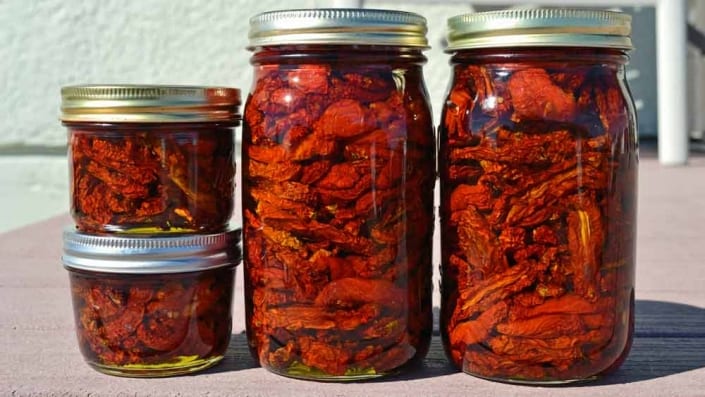
Herbed Dried Tomatoes

Herbed Dried Tomatoes

These make beautifully presented, incredibly thoughtful gifts for the chef or serious home cook in your life. You cannot buy the flavor of these herbed tomatoes, anywhere, at any price. These will take a bit of time, but doesn’t require much hands-on time to make.
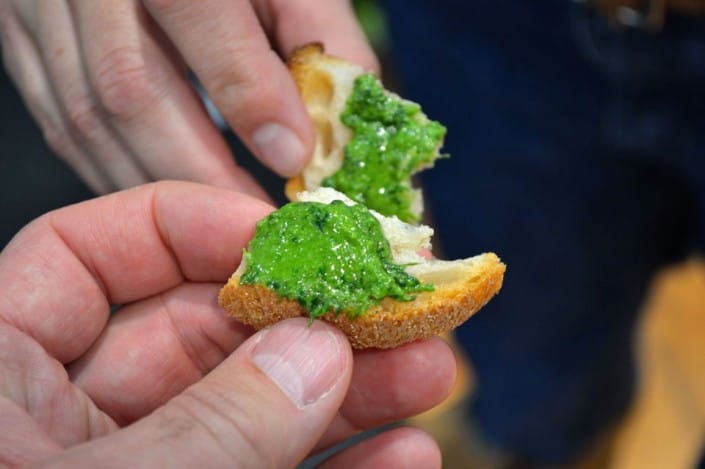
First, the tomatoes. Only heirloom tomatoes can really be considered, as the flavor is what you are after. The beauty of this process is that almost any tomato can be used, as the drying intensifies the flavors already present. Obviously, a paste tomato will give you a more substantial result. Good ones to look for are the plum and pear sizes with meaty walls, few seeds and a ton of flavor. If you don’t have these already growing in your garden, plan to plant some next year and look at your local farmer’s market. You will need a lot of fresh tomatoes, as they lose a lot of weight during drying. Plan on about 3 times the fresh volume as what you will get dried.

Drying them is the easy part. Wash them, slice and place on cookie sheets to dry. The oven is a great choice, as most gas fired ovens with a pilot light stay at around 90F or so. A consistently warm, sunny location is also good. If drying outside, cover with cheesecloth to prevent flies from snacking on your treats. Let them dry to a leather-like stage, then collect and start the marinating.

There are several different directions you can go with the herbs. A traditional approach is to use basil, oregano and garlic. A French approach would include lavender buds, Herbes de Provence with garlic. The strong punch of Mexican oregano accompanied by some smoked Oaxan Pasilla Bajio chiles, cumin and marjoram would be out of this world as well. Be creative, look at some herb combinations you enjoy and do some experimenting. The results will most likely be quite tasty!

We will start with the most basic recipe and then give you some alternatives to try. Use as you would sun-dried tomatoes – in soups, sauces, stews, bruschetta, pizza, spreads, salads or anywhere else the flavors would work well.

Herb Marinated Dried Tomatoes Printer Friendly Page

  • 1 1/2 Cups dried tomatoes
  • 1 Tbs fresh basil leaves, chopped
  • 2 Tsp fresh oregano, chopped
  • 1/4 Tsp pickling salt
  • 2 Large garlic cloves, thinly sliced
  • 6 Tbs red wine vinegar
  • 2 Tbs Extra virgin olive oil
  1. If tomatoes are crispy dry, put into 2 cups boiling water for 5 minutes to soften, then drain. If tomatoes are leather dry and still slightly pliable, you don’t need to soften them.
  2. Add herbs, salt and vinegar to bowl and mix or toss well. You want to have all of the herbs well mixed before adding the tomatoes.
  3. Pack tomatoes and herb mixture into a 12 ounce to 1 pint jar, being sure to coat the tomatoes well with the herb mixture. Leave a small space at top of jar. Add olive oil to top and cap jar.
  4. Store in a cool, dry, dark place. Once opened and for longer storage, keep in refrigerator.

Use these following recipes as the herb ingredients for the basic recipe above.

Herbes de Provence Marinated Dried Tomatoes

  • 2 – 3 Tbs Herbes de Provence
  • 3 Large cloves garlic, thinly sliced
  • 1 Tsp freshly ground black pepper

Mexican Herbed Marinated Dried Tomatoes

  • 1 Tbs Mexican oregano, dried
  • 1 Tsp Sweet marjoram, dried
  • 1 Tsp Chipotle chile, finely chopped
  • 1 Tbs Whole cumin seed, toasted and ground
  • 1 Tsp Whole coriander seed, toasted and ground
  • 3 – 4 Large garlic cloves, thinly sliced

Italian Herbed Marinated Dried Tomatoes

  • 2 Tsp Fresh Greek oregano
  • 1 Tsp Sweet marjoram
  • 1 Tsp Summer Savory
  • 1 Tbs Fresh Marseilles basil, chopped
  • 2 Large garlic cloves, thinly sliced

Recipe Tip! Pickling salt is -simply put- fine, pure granulated salt. Grocery stores label it “canning and pickling salt”, health food stores call it “sea salt”. It is not table salt, which contains iodine and several other stabilizers and anti-caking agents that can ruin your pickles appearance.

Comments { 0 }