Tag Archives | heirloom recipes

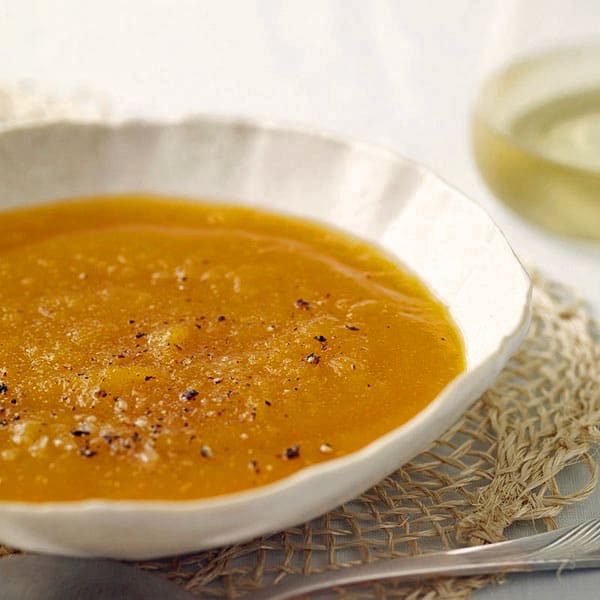
Catanian Wheat and Lentil Soup

Wheat and Lentil Soup

Wheat and Lentil Soup

Catania is an old city on the south-east coast of Sicily, fronting the Ionian Sea. During the Renaissance, Catania was Sicily’s most important cultural, artistic, and political hub due in part to its major seaport. In 1434 the first university in Sicily was founded and today it is one of the main economic centers of the island and an important hub of technology and industry.

Cantine del Cugno Mezzano, located on the Via Museo Biscari is one of the chic restaurants in the old downtown that are reviving the ancient farm cuisines and elevating them to fine dining status. What is notable is that the flavors need no “freshening” or “elevating”, only the surroundings and atmosphere is needed to create the fine dining experience. The old recipes and locally sourced farm-grown ingredients are what make the flavors so memorable. The chef drives out to the surrounding countryside every weekend and goes from farm to farm on a well-established routine buying the foundations for the next week’s dishes.

This is a substantial and deeply satisfying, yet not heavy winter soup that has sustained farm families and farmhands for many generations. It is eaten during the cooler weather in Sicily on the farms, but is in demand year round in the restaurants. Get the best quality sausage possible, as it is the foundation of the flavors here. The smoked sweet and bittersweet paprika will add an intriguing depth of flavor to the soup, with the oregano backing them up. Another option to broaden the flavor profile is to use a home made beef stock instead of the water in the lentils, or split it in half. This freezes well to provide a delicious backup when time is short or plans change during the week.

Add some thick slices of fresh artisan peasant bread with butter and a good beer for a taste of what our ancestors ate after a long workday in the fields!

Zuppa Di Grano e Lenticchie Printer Friendly Page

  • 1 Cup Wheat berries
  • 1 Cup Lentils
  • 6 Cups water
  • 3 Oz Italian sausage, diced
  • 2 Tbs extra-virgin olive oil
  • 1 medium onion, diced
  • 1 stalk celery, diced
  • 2 medium carrots, sliced thickly
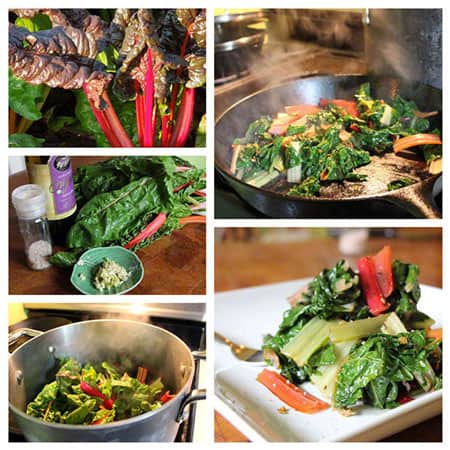
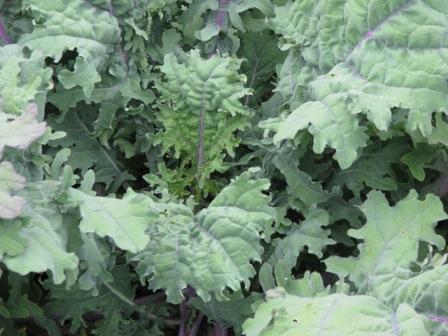
  • 5 Oz Swiss chard or Kale leaves, stems removed, rinsed and coarsly chopped
  • Sea salt and freshly ground pepper to taste
  • Optional seasonings- 1/8 Tsp each of smoked sweet and bittersweet paprika, 1/2 Tsp oregano
  • Dollop of sour cream
  1. In a small heavy bottomed pot cover the wheat berries with plenty of water and bring to a boil over medium-high heat. Once boiling, remove from heat, cover and let sit for 1 hour. Drain and reserve the cooking water.
  2. Using a cast-iron pot or flame proof clay pot, add lentils and cover with 6 cups of water and bring to a boil over medium-high heat. Once boiling, reduce heat so that the lentils are just above a simmer until they just start to turn tender, about 15-20 minutes.
  3. While lentils are simmering, heat the oil in a heavy skillet over medium heat. Add the sausage and onion and sautee for 5-7 minutes, until the onion just turns golden. Lower the heat, add the celery and carrots and cook until the carrots are just tender, about 10 minutes. Add the Swiss chard or Kale, stir in and cook until dark green and just wilted, about 3-5 minutes.
  4. Add wheat berries and sausage and vegetable mixture and stir well. Season with salt, pepper and optional seasonings if using. Add enough wheat berry cooking water to cover slightly and bring back to a boil, immediately reduce heat to a bare simmer and heat soup through, about 3-5 minutes.
  5. Add small dollop of sour cream if desired

Makes 6 servings

Comments { 0 }

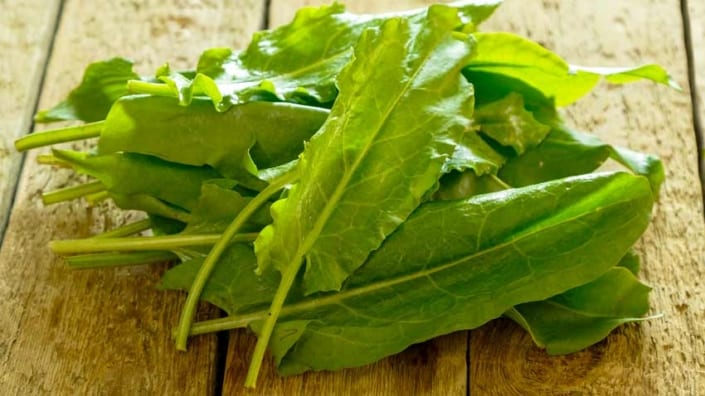
French Sorrel or “Lemonade in a Leaf”

French Sorrel

French Sorrel

When a farmer became thirsty during spring planting, he would reach down, pluck up some wild sorrel, and eat it. The sour-citrusy taste has been prized throughout the world for thousands of years as a wake-up call for taste buds dulled by bland winter foods. French sorrel is considered by many chefs to be the benchmark variety and is an indispensable green in French cooking.

Sorrel is a very ancient herb, the name comes from the Teutonic word for “sour”. In the days before refrigeration, sorrel was often the first fresh food that people ate each spring. In Europe it was (and still is) a popular ingredient in spring tonics, taken to prevent scurvy as fresh sorrel leaves are a good source of Vitamin C. Ancient Greeks and Romans used the herb for promoting digestion and considered it a good complement to rich, fatty meals. Spring sorrel blends perfectly with other spring herbs such as dill, chives and watercress, and complements such spring foods as new potatoes, salmon, soft-shelled crab, peas, strawberries and spinach.

Here are two recipes that showcase sorrel’s flavors in completely different ways.

Spring Greens Risotto Printer Friendly Page

  • 3 Tbsp olive oil
  • ½ c chopped green onions
  • 1 ½ c Arborio rice
  • ½ tsp salt
  • 4 c hot chicken or vegetable broth, divided
  • 4 c coarsely chopped spring greens (spinach, Swiss chard and sorrel)
  • ¼ tsp grated nutmeg (optional)
  • ½ c grated Parmesan cheese
  1. Heat oil in a heavy pot over medium-high heat. Add onions and cook for 3 minutes, then add rice and salt. Cook, stirring continuously until rice begins to color.
  2. Add ½ c broth and stir until most of broth is absorbed. Then add 1 1/2c broth, lower heat to a simmer, stirring occasionally, until mostly absorbed- about 10 minutes. Add optional nutmeg and remaining broth. Simmer 20 minutes, stirring occasionally.
  3. Place greens on top of rice. Cover and simmer 3 minutes. Stir in greens. Simmer and stir a few minutes more until broth is absorbed and rice is tender but moist.
  4. Remove from heat. Stir in Parmesan and serve immediately.

Makes 6 servings

Crispy Potatoes with Fresh Sorrel

  • 1lb small new potatoes
  • 1 tbsp olive oil
  • 2 tbsp minced fresh sorrel
  1. Blanching the potatoes beforehand helps them brown and get crisp in very little oil.
  2. Slice the potatoes thin. Steam over boiling water, covered, until barely tender- about 5 minutes.
  3. Heat a well-seasoned cast-iron skillet over medium-high heat. Swirl in the oil so that the bottom of the pan is well coated.
  4. Pat the potatoes dry and layer them evenly in the skillet. Reduce the heat to medium and let the potatoes sizzle, without stirring, until browned, about 4 minutes on each side. Just before you remove the potatoes from the heat, sprinkle on the sorrel and stir to mix. Serve warm.

Makes 4 servings


Please let us know your thoughts on these recipes, or if you have a favorite use for sorrel.

Comments { 0 }

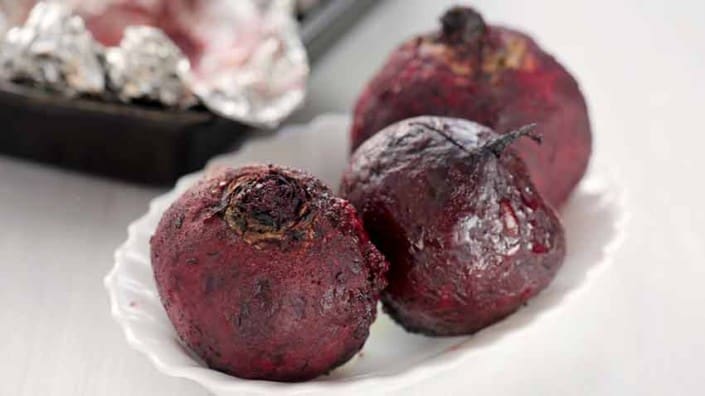
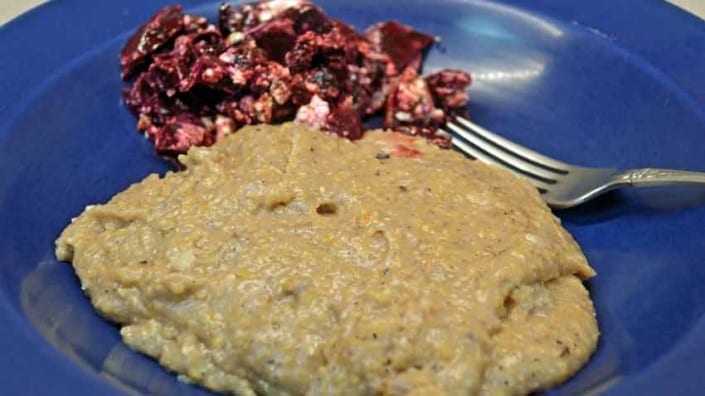
Dijon Roasted Heirloom Beets

Ruby Queen beet

Ruby Queen beet

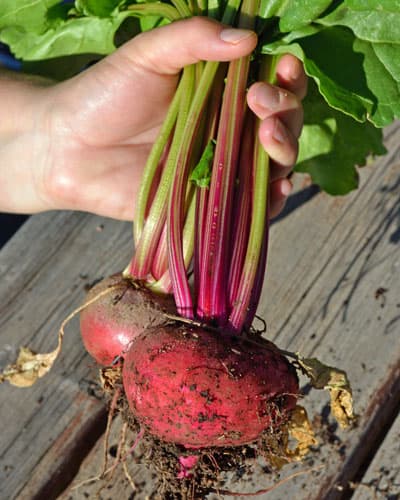
Heirloom beets are one of the earlier crops to be planted, and one of the first to be enjoyed early in the Spring. Here’s a great recipe with an unusual preparation that really brings out the earthy goodness of fresh home-grown beets. The Dijon mustard plays a nice counterpoint to the richness of the beets. For some additional flavors, add some heirloom carrots or overwintered onionsto the mix- roast along with the beets! Keep in mind that young beets- less than 2 inches in diameter- are sweet like carrots.


Dijon Roasted Heirloom Beets Printer Friendly Page

  • 3 pounds beets, about 2 inches in diameter
  • 4 tablespoons olive oil
  • 1 teaspoon salt
  • ½ teaspoon black pepper
  • 1 tablespoon Dijon mustard
  • Juice of one orange
  • 1 teaspoon sugar
  • 1 tablespoon red wine vinegar
  • 1 tablespoon fresh minced rosemary
  1. Trim stem and root from beets. Place whole beets in roasting pan; add 1 tablespoon olive oil, salt and pepper. Toss to coat.
  2. Roast at 400° for 45 minutes or until beets are tender. Beets are tender when easily pierced with a fork or toothpick.
  3. While beets are roasting whisk mustard, orange juice, sugar, and vinegar in bowl. Whisk in remaining 3 tablespoons olive oil and rosemary. Set aside.
  4. When beets are cool enough to handle, rub to remove skins; cut into quarters. Add warm beets to bowl and toss with dressing. Let stand 30 minutes while beets absorb dressing.

Makes approximately eight servings.

Comments { 0 }

Sopa de Tomate con Albóndigas or Tomato Soup with Meatballs

Oaxan Sopa de Tomate con Albóndigas

"Seasons of My Heart" Cookbook

"Seasons of My Heart" Cookbook

One of my favorite Mexican cookbooks is titled Seasons of My Heart, by Susana Trilling.  Susana was a chef and owner of a restaurant in New York City and also owned a very successful catering business.  She left all of this to pursue her ethnic roots in Mexico around Oaxaca, sharing the food, culture and traditions of the cooking of the region.  She wrote this cookbook to showcase the native foods that are not well known outside the region.  Seasons of My Hearthas become hard to find but is well worth pursuing once you do find it.

Today I’m going to share a recipe called Albóndigas, or meatball soup.  Many people are familiar with Albóndigas as a clear broth with a couple of meatballs in it as an appetizer or first course.  This particular soup is more rural in nature, with the broth enriched by the onions and tomato puree.  Many people are are amazed to find that this is “Mexican food”, as it doesn’t have the characteristic emphasis on chiles and heat that most Americans are accustomed to seeing in Mexican food.  This is one of those perfect hearty winter soups that has an abundance of rich and savory flavors.  Make extra, as this soup keeps exceptionally well and will prove to be very popular.

Oaxan Sopa de Tomate con Albóndigas Printer Friendly Page

For the meatballs:

  • 1 1/4 pounds ground sirloin
  • 1 teaspoon freshly ground black pepper
  • 1/2 teaspoon salt
  • 1/4 cup sunflower or vegetable oil
  • 1 teaspoon mild chile powder
  • 1 teaspoon ground cumin

For the soup:

  • 4 cups beef stock
  • 1 1/2 medium white onions, finely chopped
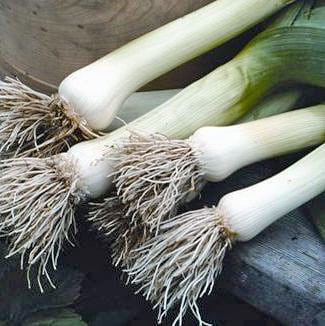
  • One large leek, halved lengthwise and thinly sliced
  • 1 tablespoon finely chopped garlic
  • 1 1/2 teaspoons ground black pepper
  • 3 bay leaves
  • 5 cups thick tomato puree
  • 1 1/2 teaspoons salt
  • 1 tablespoon finely chopped fresh parsley
  • 1 tablespoon finely chopped garlic chives
  1. In a medium bowl, mix the ground beef with the pepper, salt, cumin and chili powder.
  2. Shape the mixture into tiny meatballs about the size of black cherries.
  3. In a heavy 4 quart stockpot, heat the oil over medium to high heat and brown the meat balls on all sides, for about 2 minutes, in small batches without crowding them.
  4. Remove from the pan and set aside.
  5. If there is extra oil in the stock pot, remove it, leaving about 2 tablespoons.
  6. Fry the onions and leek until they’re soft over medium heat, 4 to 6 minutes.
  7. Add the garlic and season with the pepper and bay leaves.
  8. And the beef broth, tomato puree, and meatballs.
  9. Lower the heat to a slow simmer, cover, and cook for 1 1/2 hours.
  10. Add the salt, parsley and chives and cook 5 to 10 minutes longer.
  11. Serve with garlic toast.

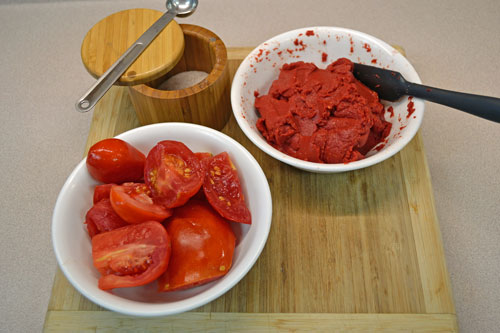
During the winter months, or cold weather, this is the type of soup that is very easy to make when you’re cooking out of your freezer with ingredients that you have prepared beforehand.  Making beef broth or beef stock is somewhat time consuming, but does not require constant attention and can be made in large batches, saving time later on.  Likewise, making tomato puree from extra tomatoes when your garden is in the height of production gives you a rich, fresh tomato taste in the dead of winter.

Please give this soup a try, and let us know what you think!

Comments { 0 }

Armenian Cucumber- Best Tasting, Burpless Home Grown Cucumber

Armenian Cucumber

Armenian Cucumber

I’ve often wondered why the Armenian Cucumber was always the preferred choice of cucumber for my grandmother. She said it was the best tasting cucumber and that it was “burpless” which was important to her. I know sometimes folks are very sensitive to eating raw cucumber because of that burping issue.

What causes the burping? Some foods are more prone to producing gas, such as onions, celery, and cucumbers. Foods high in fiber have more of the “gas” forming characteristics which can cause that burping issue. But back to the Armenian Cucumber, which is really a melon (Cucumis melo var. flexuosus) is why we don’t burp. There is a funny group of melons that botanically are melons but are much similar in characteristic to the cucumber (Cucumis sativus). The Fuzzy White Italian Cucumber is another Cucumis melo .

I wanted to know more about this Armenian Cucumber, so I referred again to Fearing Burr’s Field and Garden Vegetables of America to read up on the Snake or Serpent Cucumber (AKA Armenian Cucumber).

Though generally considered as a species of cucumber, this plant should properly be classed with melons. In its manner of growth, foliage, flowering, and in the odor and taste of the ripened fruit, it strongly resembles the muskmelon. The fruit is slender and flexuous; frequently measuring more than three feet in length; and is often gracefully coiled or folded in a serpent-like form. The fruit is sometimes pickled in the manner of the Common Cucumber, but is seldom served at table sliced in its crude state. It is generally cultivated on account of its serpent-like form, rather than for its value as an esculent (edible). Well-grown specimens are quite attractive; and, as curious vegetable productions, contribute to the interest and variety of horticultural exhibitions.

Interesting that in 1865 not much was mentioned about the “burpless” quality that the Armenian Cucumber is known for today. I would have to say it is much tastier than just an ornamental for the local county fair!

Give this recipe a try with your Armenian Cucumbers!

Peasant Salad Printer Friendly Page

  • 2 tomatoes cut in wedges
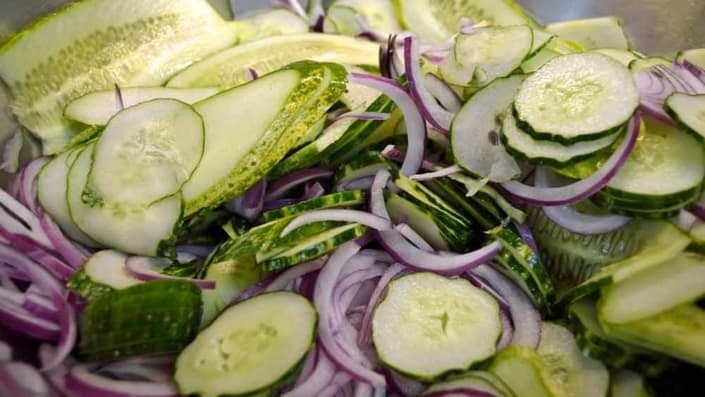
  • 2 cucumbers, sliced
  • 1 small red onion, sliced
  • ½ c olive oil
  • ½ c red wine vinegar
  • 1 Tbsp lemon juice
  • Dried oregano, to taste
  • Salt and ground black pepper, to taste
  • ½ c Kalamata olives, chopped
  • ½ c crumbled feta cheese or chopped anchovy fillets (optional)
  1. Combine tomatoes, cucumbers and onions in bowl.
  2. Whisk olive oil with vinegar, lemon juice, oregano, salt and pepper. Add to vegetables; toss to coat. Top with olives.
  3. If desired, add feta or anchovies.

Makes 4 servings

Recipe Tip! Redmond Salt is the best tasting salt to use with fresh garden vegetables. A sprinkle on a fresh cut tomato or on a hard-boiled egg is heaven.

Comments { 0 }

Braised and Marinated Carrot Recipes

Pan Braised Carrots

Pan Braised Carrots

Carrots are an ancient standard in the garden, one that is introduced to many of us as kids when we are first playing and learning in the garden. Short season, hardy, fast-growing and delicious just out of the ground, carrots are a hit with everyone, and one of the top sellers for every seed company.

What else to do with fresh carrots than slice them and add to the salad, especially an over abundance from an enthusiastic planting? There is always pickling and canning, but at the height of fresh garden produce, I don’t want to think of canning quite yet. Here are a couple of delicious ways to enjoy the sweetness of carrots combined with other flavors that go well with Spring and Summer dinners.

Pan Braised Carrots with Parsley and Rosemary

This unusual but satisfying side dish will be a hit with your dinner guests. Equally at home beside a burger, freshly grilled beef or Salmon steak or roast chicken. This can be done on a stove or outside on the barbeque in a cast iron pan. For extra panache, add grated Parmesan cheese just before serving. Fresh Fennel, sliced in 1 inch chunks can be added for an increased depth of flavor.

1 Cup Beef broth (can use mushroom base or vegetable base instead)

1 Lb Small carrots, sliced into 2 inch pieces

1 Tsp Honey

1 Tbsp Butter

2 Tbsp Fresh parsley, minced

2 Tsp Fresh rosemary, minced

Juice of 1 orange


In heavy saucepan bring broth and honey to a boil, reduce heat to a simmer. Add carrots, butter, rosemary and 1 Tbsp parsley. Cover and simmer for 5 minutes. Remove carrots to a warm covered plate, add orange juice and continue to simmer broth until reduced to about 2-3 Tbsp- should be about 15 minutes. Once reduced, add carrots and remaining parsley, toss to coat and serve immediately. If desired, add grated Parmesan or hard grating cheese to top just prior to serving.

Serves 4


Herb Marinated Carrots

These tangy, savory carrots are addictive! There is a train-wreck of flavors, from the sweet crunchiness of the carrots to the lemon juice, mustard and rosemary coming together into an unexpectedly delicious combination. Best if marinated overnight, but will work well with 6-8 hours in the refrigerator. Use as an appetizer or side dish. Will hold their own with almost any flavors.

1 Lb Full sized carrots, sliced or cut into matchsticks

2 1/2 Tbsp Lemon juice

1/2 Tsp Stone ground mustard

1/4 Cup Olive oil

2 Green onions, chopped

1 Tbsp Fresh parsley, chopped

1 Clove garlic, minced

1 Tbsp Fresh rosemary, finely chopped

Freshly ground Salt and Black Pepper, to taste


Blanch carrots in boiling water for 3-4 minutes or until just barely tender, then drain. Combine lemon juice, mustard, olive oil, onions, parsley, garlic and rosemary in a jar with tight fitting lid. Shake vigorously to mix well. Pour over warm carrots, season with salt and pepper and refrigerate a minimum of 6-8 hours or better yet, overnight.

Makes about 3 cups


Comments { 1 }

Chao Sigua (Stir-Fried Loofah)

Stir Fried Chicken and Loofah

Stir Fried Chicken and Loofah

When a friend mentioned the Loofah gourd, I thought of a scrubby for the shower. When he mentioned eating the Loofah, I had to stop and really think for a minute. This is probably the same situation for most of us, as this Asian vegetable is not very well known here for cuisine. We tend to grow them or know them as bath or scrubbing sponges, the result of growing a long green gourd, then drying, peeling, seeding and pounding it to make it soft enough to use as a sponge. Virtually unknown in American kitchens, this very same gourd is harvested young across Asia when it is a tender and adaptable vegetable. It has a porous texture and cucumber-like flavor that lends itself well in dishes that use a sauce base or where it can soak up the other flavors of the dish. Very popular in China, it is steamed, boiled or stir-fried with various ingredients such as garlic, onions or dried- sometimes salted- prawns. In spicy dishes, it is used as a cooling ingredient.

There are two physically different kinds of Loofah. One has ridges on it that must be peeled to remove the sharp ridges before cooking. The second type, which is more common in the US, is round and when small looks like a zucchini. It only needs to be washed and sliced for cooking, though some recipes will call for it to be peeled. Terroir Seeds carries a round Loofah that can be eaten and used as a sponge.

Here are a couple of stir-fried Loofah recipes to get you used to the idea of the Loofah as a food.

Chao Sigua (Stir-Fried Loofah)

This is an extremely simple side dish that is deceptively delicious.

2 Tbsp Peanut oil

4 Cloves garlic, thinly sliced lengthwise

1 Lb. Young Loofah gourd, cut 1/4 inch diagonally, then in 1/4 inch julienned

1 Tbsp Water

1/4 Tsp sugar

Sea salt and freshly ground pepper to taste

Heat large wok or cast iron skillet over high heat, then add oil once wok is hot. Keep heat on high- this cooks in under a minute. Immediately add garlic, stir quickly 10-20 seconds. Add Loofah and water, give a good stir then add salt and pepper, stir again then add sugar. Stir for 30-60 seconds and serve immediately. Do not overcook, more than 60 seconds. The high heat will cook with very little oil and create a very delicious taste.

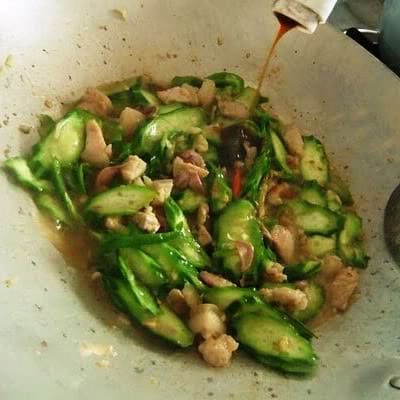
Stir-Fried Loofah and Chicken

This is another unusual, but delicious Chinese dish that will amaze your guests. Make sure everything is sliced, at hand and ready to be added to the wok, as once the cooking starts you will only have time to add ingredients and stir, as the whole process will take only about 5-7 minutes.  I prefer to use a cast iron wok, as it retains the heat better and makes the fast cooking of the Chinese stir-fry much easier. I start cooking the dish when the rice is just finishing up, and both are usually ready about the same time.

1/2 Lb skinless boneless chicken breast, cut across grain into 1/8-inch-thick slices

1  Tsp Sesame oil

2 Tbs Oyster sauce

1 Tbs Soy sauce

1 Tsp Sugar

1/2 Cup Chicken stock or  chicken broth

1/2 Lb Young loofah  (about 12 inches long). Slice diagonally into 1/4 inch slices, then cut in half.  You may peel this if you want, but not needed.

1/8 to 1/4 Cup Peanut oil

3 Small fresh shiitake mushrooms, stems discarded and caps sliced 1/8 inch thick

1 Tsp Chinese fermented black bean sauce

5 Small (2-inch) fresh red chiles such as Thai, seeded and cut into fine julienne (2 Tsp)

2 Tsp Garlic, finely chopped

2 Tsp Fresh Ginger, finely chopped

2 Tsp cornstarch mixed with 2 tablespoons water

Stir chicken, soy sauce,  sugar and 1/2 Tsp Sesame oil in a bowl, set aside for 10 minutes. This acts as a quick marinade. If you want, add 1/2 of the chiles to the mix.

Stir Oyster sauce, corn starch, and chicken broth/stock in another bowl, set aside.

Heat dry wok or cast iron skillet on medium-high to high heat. It needs to be just almost smoking before you add the oil. Once you add the oil, you will immediately start cooking and not slow down to get the best flavor and texture. When wok is hot, add Peanut oil, swirl wok to coat sides and immediately add chicken, stirring constantly. Cook for 1-1 1/2 minutes, until no longer pink, but just barely.

Remove chicken with slotted spoon to a bowl and set aside. Increase heat to high, add remainder of oil if needed, swirl wok to coat sides and add mushrooms, cook until lightly browned and tender, stirring constantly. This should be 1-2 minutes.  Add black bean sauce, chiles, garlic, and ginger and stir-fry until fragrant, about 30 seconds.

Add loofah and stir to coat, then add Oyster sauce mix and bring to a boil, stirring well. It should boil and start to thicken and turn translucent in 30-45 seconds. Lower heat to low at this point, let Oyster sauce with the cornstarch finish thickening to your liking and serve immediately over sticky rice. Drizzle remaining 1/2 Tsp Sesame oil over dish just before serving.

Comments { 3 }

The Versatility of Herbes de Provence

We are back from the Red Rock Lavender Festival, having met some wonderful people and loving the lavender scents for 4 days. While we were there, we picked up some Herbes de Provence and Herbes de Concho that are made at Red Rock Ranch. The high altitude, sparse soil and dry Mediterranean climate play a major part in the intensity of the scent and flavor of the lavender in their Herbes mix.

Herbes de Provence

Herbes de Provence

The amazing thing about Herbes de Provence is the adaptability of the mixture in so many culinary applications- from grilled, roasted or baked meats, to stews, soups and grilled or roasted vegetables, Herbes de Provence adds a depth of flavor and aroma that is unique and heady. Another interesting thing is the broad spectrum of ingredients that make up the Herbes mixture. The basic and classic mixture is equal parts dried Oregano, Thyme, Summer Savory and Lavender buds, mixed well. From this basis several other recipes have evolved, with both individual and regional preferences showing up. Many of the mixtures involve classical, foundation spices that are used in French and classical European cuisines. Some will argue that the essential ingredient is Lavender, while others will say that it’s exclusion does not lessen the mixture, and even enhances it in certain dishes. I’m not going to get into that argument, but will say that the Provence region is world famous for its Lavender, thus its inclusion into the Herbes de Provence.

This is the time of year to start selecting, harvesting and drying your garden herbs for the coming year. Rosemary has starting blooming and is incredibly fragrant now, as is Sage, Organo, Basil, Thyme and almost all of the culinary herbs.  Selecting the best leaves from the herbs and drying them in small batches starting now gives you plenty of time to accumulate the volume of dried herbs needed to not only have enough for general cooking, but will give you enough to make some mixtures that use foundational herbs without depleting your stocks. Starting now also gives you the time to do smaller batches, being more selective in quality instead of having to just pick what is available to do a large, rushed batch later in the Fall as the weather starts shutting the garden down. Ask me how I know… Plus it’s wonderful to improvise tonights dinner from the herbs and vegetables picked today from your garden!

The following recipes should be considered a starting point, not the definitive, final recipe. Use your tastes and flavor combination preferences as a guide, and adjust amount and types of herbs accordingly. How else do you think that so many variations on the theme evolved?

I will share several other recipes for the mixture below, as well as some ideas for using them. Dried herbs are important, as fresh herbs will lose their flavor in about 20 minutes of cooking.

Classic Herbes de Provence

Equal parts of the following dried herbs:

Oregano

Thyme

Summer Savory

Lavender buds

Mix well and store in an air tight container. Keeps for 3-6 months, depending on humidity and temperature.

Variations on Herbes de Provence

1 tsp thyme
1 tsp summer savory
1/2 tsp lavender buds
1/4 tsp rosemary
1/2 tsp oregano or basil (or both)
1/4 tsp sage

1 tsp marjoram
1 tsp basil
2 tsp thyme
1 tsp summer savory
1/2 tsp lavender buds
1 tsp rosemary
1/2 tsp fennel
1 tsp oregano


2 tsp thyme
1 tsp basil
1 tsp marjoram
1 tsp French tarragon
1 tsp rosemary
2 tsp summer savory
1 tsp fennel seeds
1 tsp lavender buds


1 tbs thyme
1 tbs chervil
1 tbs rosemary
1 tbs summer savory
1 tsp lavender buds
1 tsp tarragon
1 tsp marjoram
1/2 tsp oregano
1/2 tsp mint
2 powdered or chopped bay leaves


You can crush the mix prior to adding it to olive oil for a marinade or dressing. Add in crushed dried red chiles for a new taste dimension. Mix with homemade mayonnaise for a real taste treat.

Herbes de Provence/ Bleu Cheese Burgers

Mix lean hamburger meat with high quality Bleu cheese at a ratio of 3/4 meat to 1/4 cheese. Form into patties, dust liberally with Herbes de Provence mixture that has  been crushed with fresh ground black pepper and salt, let sit for 20 minutes and grill till done.  Make sure to make extras!

Marinated Herbes de Provence Steaks

The flavors will really be enhanced if you use grass fed beef.

1/2 cup extra virgin olive oil

1/4 cup Herbes de Provence

1 tsp fresh ground black pepper

1/2 tsp salt

Mix ingredients well, coat both sides of steaks, let sit covered for 30 minutes to 1 hour. Grill to taste. Optional- make 1/2 recipe extra to top steaks when served. Can add sprinkle of Gorgonzola cheese to top of hot steak as well.

Herbes de Provence Garlic Bread

1/4 cup Herbes de Provence

1/2 cup softened butter

3-6 large cloves freshly minced garlic

Fresh sourdough bread

Mix Herbes with butter and garlic. For more garlic flavor- use more cloves. Optional- roast the peeled garlic cloves prior to mincing for a richer, mellower flavor. Lightly spread butter on both sides of thickly sliced bread, bake in 400F oven for 3-5 minutes or until just turning golden brown.

Hopefully you can start to see the versatility of the magical Herbes de Provence. You are only limited by your tastes and creativity!

Comments { 2 }

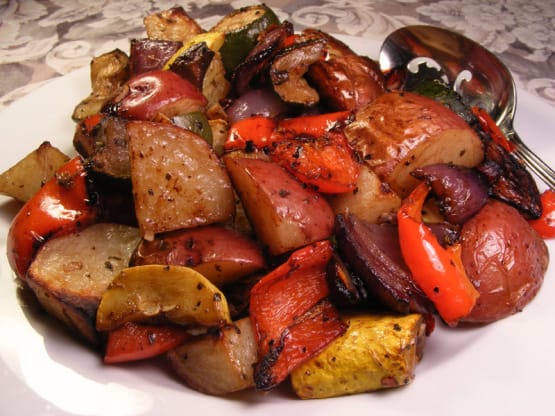
Mediterranean Pan Roasted Vegetables

Mediterranean Pan Roasted Vegetables

Today we have a new recipe that will work just about anywhere. I’ve used it when entertaining at home, at a friend’s house when cooking a shared dinner party and even when camping off road in our Land Rover! It lends itself to being cooked outside, which keeps the house cooler, and somehow increases the flavor…

It takes a bit of time, as this is a slow pan roast recipe, but is easy and you can do other prep or cooking while this is roasting. Total cooking time is around 30-45 minutes. Plan extra, as the flavor from the slow roasting is tremendous, and people will go back for more. That’s good, as this is real and healthy food! This is a perfect counterpart to barbecued chicken or burgers on a warm Spring evening. If you increase the vegetables and add warm fresh bread, this can be a light and healthy dinner in itself.

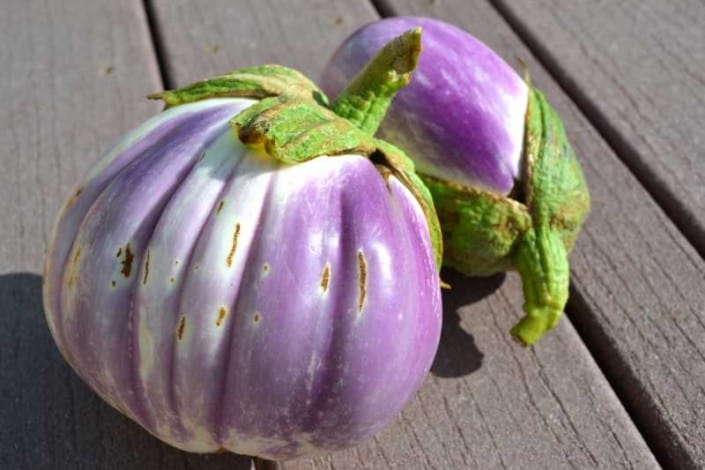
The eggplant must be fresh, as it can be bitter otherwise. Fresh means picked that day. If fresh is not available, leave it out. If you want an extra flavor, don’t peel the eggplant. This is the perfect showcase for fresh grown, heirloom ingredients, as the flavors will really shine. The ingredients are roasted in this order to bring out their flavors, as well as mingle them with the others. It is worth the time to do it in order!

Mediterranean Pan Roasted Vegetables

Serves 4-6

12 oz potatoes, cut into 1/2  inch cubes with skin on  (Red potatoes are preferred)

2 bell peppers- any color, cut into 1/2 inch squares

1 medium red onion, diced into 1/2 inch squares

1 small eggplant, peeled and cut into 1/2 squares (Only use fresh eggplant to avoid bitterness)

3 or 4 cloves garlic, sliced

4 Tbsp extra virgin olive oil

2 Tbsp balsamic vinegar

1/2 tsp dried basil

1/2 tsp dried oregano

1/2 tsp fresh chives

1 tsp fresh rosemary, finely chopped

Salt and freshly ground pepper to taste

A large cast iron pan is best, but a heavy bottomed pan that retains heat well will also work.

Heat pan on medium heat, until thoroughly warm. A pan that is not heated all the way through will cause food to stick. Whisk balsamic vinegar, 2 Tbsp olive oil, basil, oregano, chives and 1/2 tsp rosemary together and set aside.

Add 2 Tbsp olive oil to pan, coat pan well and add potatoes, coating with oil in pan. Roast for 10-15 minutes, turning occasionally until they start to soften. Add onion and bell peppers, along with half of the rosemary and roast for 10 minutes, turning as well. Add eggplant and garlic, roasting for 5 minutes. Drizzle herb/oil/vinegar mixture over vegetables, stir well to coat and continue roasting until potatoes are tender, about 10 minutes more. Serve hot or let cool and store in refrigerator for next day to let the flavors set up and mingle.

Comments { 2 }

Heirloom Oregano: A Culinary Herb in a League All its Own

A fast growing herb, oregano serves many purposes beyond the kitchen counter.

Related to mint (but nowhere near as sweet), oregano is a popular herb found throughout
Italian, Greek, and Mexican cuisines. Whereas Greek oregano is very strong and slightly bitter
with a clove-like afterbite, Mexican oregano is almost all bitter, and can be almost tongue
numbing. Oregano is great with anything involving tomatoes, and goes very well with savory
dishes like eggs and roasted meats.

How to Grow:
Because it loves warm climate and direct sunlight, you want to plant your oregano only when
you are sure the last frost has passed. It only takes a week-and-a-half to germinate, with the
leaves ready for harvest after six. Since compost and manure have a tendency to adversely
affect the final flavor of the leaves, it is best to plant the seeds (or transplants) fifteen inches
apart in loose, moist soil and cover with mulch to combat weeds. Because it is drought
tolerant, as long as you water it periodically, the plant will take care of itself.

Non-Culinary Uses:
Oregano can be used as a border for many gardens and walkways. It is a perennial and will
grow back each year. Many people enjoy its aromatic fragrance.
Due to its high levels of an antiseptic called carvacrol (also responsible for its ‘pizza-like’ flavor),
oregano acts as a bacterial inhibitor and an effective first-aid treatment for insect, spider, and
even snake bites.

Culinary Uses:
Oregano is often used in many soups and pasta sauces. However, oregano is most widely
recognized as the “special herb” which turns bland pizza sauce into real pizza sauce. You can
make your own pizza sauce following the simple recipe below.

Ingredients Needed:
1 32 oz can of plain crushed tomatoes
1 8 oz. can of tomato paste
½ teaspoon of dried crushed oregano (Either True Greek or Sweet Marjoram will work well).
2 Tablespoons extra virgin olive oil
2 cloves minced garlic
¼ cup water

In a medium saucepan, heat the olive oil over medium heat.
Add the garlic and simmer over low heat for 2 minutes.
Add in the rest of the ingredients and mix well.
Simmer over low heat for 20 to 30 minutes.

Author Credits: Elizabeth Trementozzi Krause publishes her own Italian cooking website,
www.simpleitaliancooking.com where she features more Italian recipes. She enjoys spending her time cooking and
drinking espresso with friends and family. She and her husband love eating pizza with a dish of pasta on the side
along with a nice green salad. She offers a newsletter each week featuring new recipes and tips.

Comments { 4 }